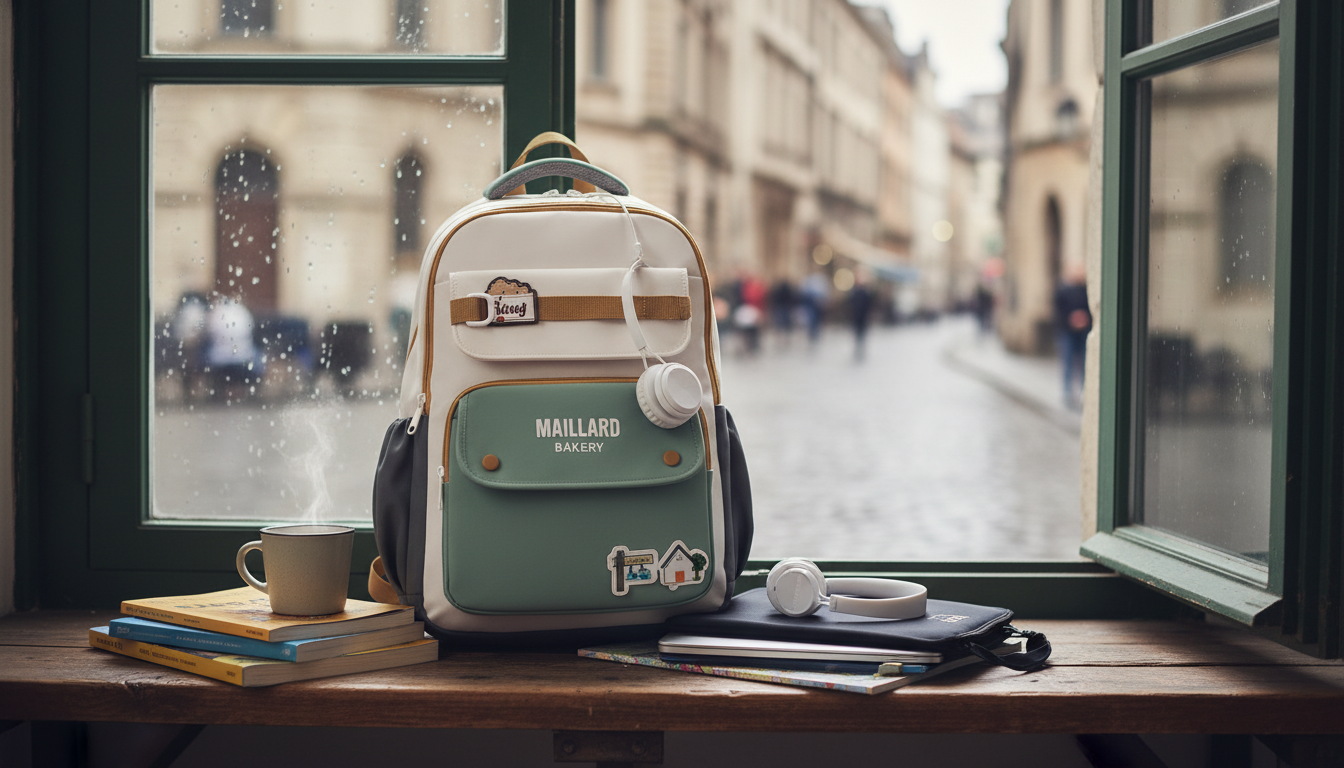
A lightweight daypack that can move from class to commute to weekend travel needs dependable weather protection, smart organization, and all-day comfort. A waterproof nylon backpack is a practical option for everyday carry because it’s built to handle sudden rain, crowded transit, and the constant in-and-out of laptops, chargers, notebooks, and personal items.
If you’re shopping for an affordable, do-it-all bag, the Waterproof Nylon Daypack Laptop School & Travel Backpack is designed to keep your essentials organized while helping shield them from wet sidewalks, splashes, and brief downpours.
Nylon is popular for daily backpacks because it hits a sweet spot between durability and weight. When you’re carrying a laptop, a charger, and a full day’s worth of gear, ounces matter—but so does a fabric that holds up to frequent zipping, shoulder friction, and being set down on rough surfaces.
“Waterproof” performance depends on both the fabric and the build. Coated fabrics and tighter weaves help shed rain and reduce soak-through during brief exposure. For the best real-world results, a waterproof fabric works alongside details like covered seams and protected zipper paths (when included). For a clear breakdown of how “waterproof” differs from “water-resistant,” see REI’s guide: Waterproof vs. Water-Resistant.
Even with a weather-shedding exterior, packing habits still matter. Keep electronics in a sleeve, and store liquids (like hand sanitizer or a small toiletry bottle) in a sealed pouch. For heavy downpours or extended exposure, add an extra layer of protection: a compact rain cover or a simple dry bag for tech can be a trip-saver.
A laptop daypack should prevent your device from sliding into books, hard-edged chargers, or bottle-shaped items that can press into the corners of a computer. A dedicated laptop area (or a separate sleeve) helps keep the device upright and stable, which is especially helpful when walking quickly, biking, or navigating stairs.
Organization is what turns a backpack into a reliable daily tool. Look for a layout that supports how you actually move through the day:
A balanced layout also helps prevent overstuffing one side, which makes the bag feel lopsided and can strain zipper tracks over time. On travel days, prioritize easy-access storage for ID, earbuds, a power bank, and a compact umbrella so you’re not unpacking at every stop.
Comfort comes from the combination of padding, adjustability, and how you pack. Padded shoulder straps help reduce pressure points during longer walks between classes or terminals, while a breathable back panel can make a noticeable difference in warm-weather commutes.
For general carrying guidance, the American Chiropractic Association shares practical recommendations on load limits and fit: Backpack Safety.
As a personal-item style daypack, this type of bag is ideal for city exploring, museums, short excursions, and unpredictable weather. Keep documents and small electronics in easy-to-reach pockets for security checks. For carry-on restrictions and what’s allowed at screening, the TSA reference is useful: What Can I Bring?.
| Feature | Why it matters | What to check |
|---|---|---|
| Waterproof nylon exterior | Helps keep contents dry in rain and splashes | Coated fabric, tight weave, water-shedding finish |
| Laptop compartment/sleeve | Protects electronics and keeps weight stable | Padding, snug fit, separation from main compartment |
| Comfortable shoulder straps | Reduces fatigue during longer carries | Padding thickness, strap width, smooth adjustment |
| Back panel support | Improves stability and ventilation | Light structure, breathable panel, comfortable contour |
| Quick-access pockets | Saves time on commutes and travel | Secure pocket for keys/phone, easy reach without unpacking |
The Waterproof Nylon Daypack Laptop School & Travel Backpack is listed at $44.51 (USD) and is currently in stock. It’s a practical choice for everyday laptop carry when weather protection and organized storage are priorities.
It depends on both the fabric and the construction: coated nylon can repel water well, but seams and zippers can still let moisture in over time. For heavy rain or long exposure, protect electronics with a sleeve or secondary dry layer.
Measure your laptop’s screen size and thickness, then compare it to the backpack’s laptop compartment dimensions when available. A snug fit (with optional extra room for a sleeve) helps reduce shifting and improves protection.
Wear both straps and adjust them so the bag sits higher on your back rather than low on your hips. Keep heavier items close to the back panel and avoid overloading to reduce strain.




Leave a comment