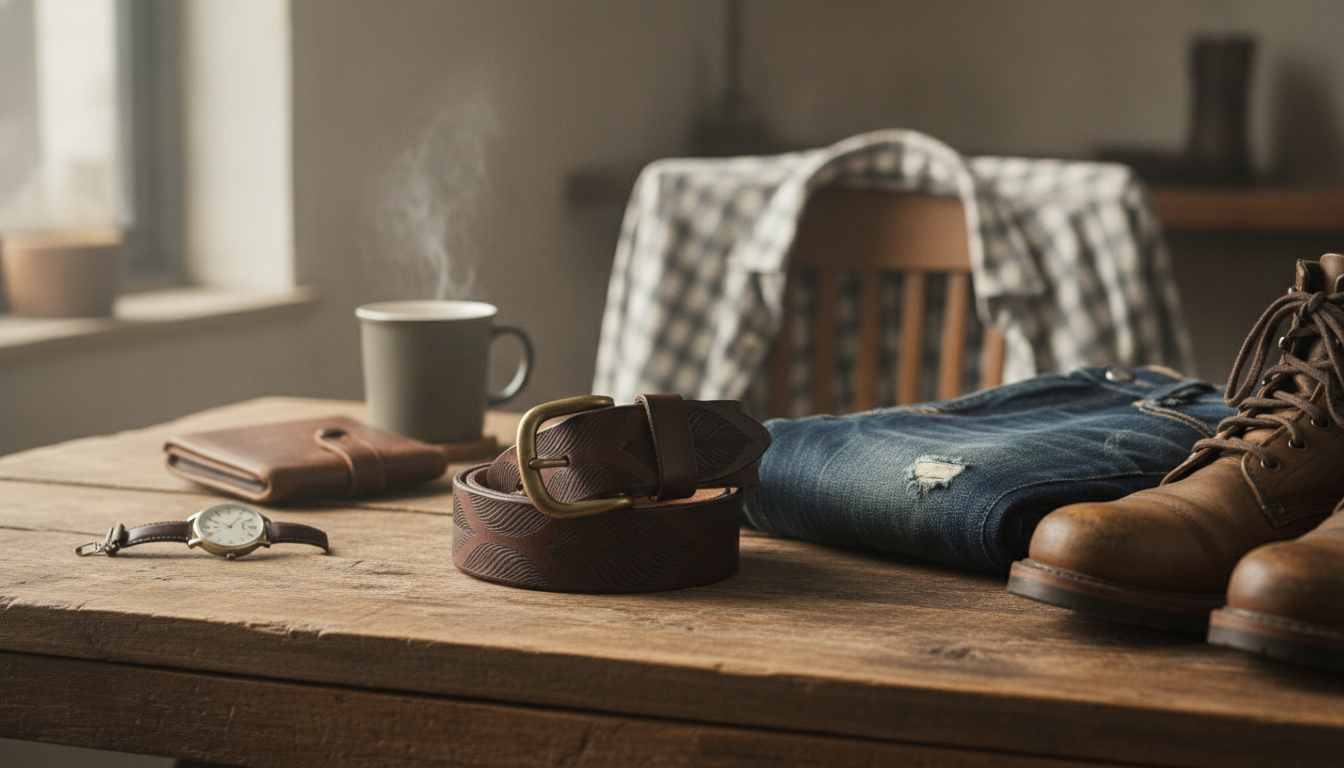
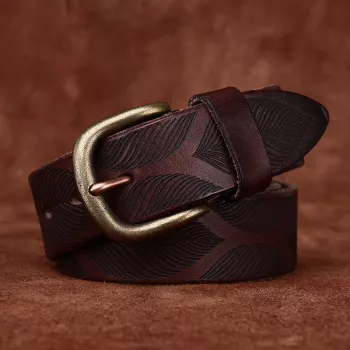
A dependable leather belt does more than hold up trousers—it sets the tone for an outfit and takes daily wear without losing character. This vintage-style cowhide belt pairs a natural leather grain with a solid brass buckle for a classic look that works with denim, chinos, and casual tailoring.
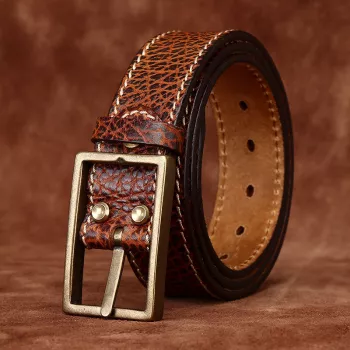
“Vintage” isn’t just a color choice—it’s the combination of natural materials and a finish that gets better with time. Genuine cowhide tends to show subtle grain variation and natural highs and lows in tone, so the belt looks less “factory perfect” and more authentically worn-in right from the start. As it’s worn, the leather develops patina: deeper color, softer edges, and character that reflects real use.
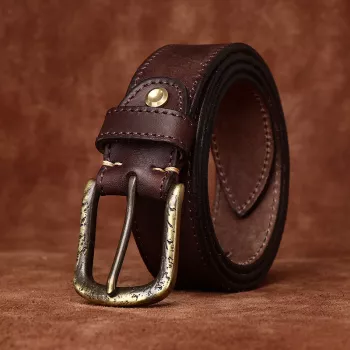
The solid brass buckle is the other half of that heritage feel. Brass brings a warm, traditional sheen that pairs especially well with brown, tan, and darker leather shades. Over time, brass can mellow and darken slightly, which many people prefer because it looks earned rather than shiny-for-a-day.
Altogether, the vibe fits naturally with heritage staples—denim, boots, flannel, waxed canvas—while still staying versatile enough for everyday casual outfits.
Material choice is where a belt either becomes a long-term favorite or a quick replacement. Genuine cowhide is valued for its durability and its structured feel; it typically starts firm, then breaks in to sit comfortably at the waist without feeling flimsy. Natural aging is a feature here, not a flaw: gentle creasing, slight darkening, and a smoother hand feel can make the belt look better after months of wear than it did on day one.
The buckle matters just as much as the strap. Solid brass is corrosion-resistant compared to many plated alloys, and it tends to keep its integrity over years of repeated fastening. A heavier, quality buckle can also help the belt sit flatter and feel more secure, especially if the belt is worn with sturdier denim or heavier fabrics.
| Component | Why it’s used | What to look for over time |
|---|---|---|
| Cowhide leather strap | Strength and long wear; develops patina | Softening and richer color; minimal cracking with basic care |
| Solid brass buckle | Durable metal with classic tone | Gentle mellowing or darker patina; easy to polish if desired |
| Belt holes/adjustment | Day-to-day fit changes | Even stretching; add a hole rather than over-tightening |
A great belt can still disappoint if the sizing is off. The most reliable method is to measure an existing belt that fits well: measure from the buckle pin (where the prong pivots) to the hole you use most often. Then choose a new belt that matches that measurement as closely as possible.
If measuring from pant waist size, a common guideline is to go about 1–2 inches larger than the pant waist—though this depends on how a particular belt is sized and where you wear your pants. Jeans often sit lower on the hips than dress trousers, so the “same waist size” can still mean a different belt length in practice.
For day-to-day comfort, aim for the buckle prong to land in the middle holes. That leaves room to adjust tighter after a big meal, looser when layering, or tighter again if the leather relaxes slightly over time. For more detailed measuring guidance, see Levi’s belt sizing guide.
This type of belt earns its keep because it doesn’t demand a special outfit—it just makes everyday looks feel more intentional.
Pair it with raw denim or washed jeans and a casual button-down or henley. The brass buckle naturally complements warm-toned boots (think brown leather, suede, or workwear-inspired styles) and adds a subtle highlight without looking flashy.
Wear it with chinos and a tucked Oxford, overshirt, or knit polo. For a cleaner look, try to keep metals in the same family—brass-buckle warmth with a gold-tone watch or similarly warm accessories tends to look cohesive.
Condition occasionally with a quality leather conditioner to reduce drying and surface cracking—especially in low-humidity climates or if the belt is worn frequently. Keep the belt away from direct heat sources (radiators, car dashboards, or vents), which can dry and warp leather over time. For general best practices on leather care, reference resources like the American Leather Chemists Association.
Name: Men’s Vintage Genuine Cowhide Leather Belt with Solid Brass Buckle
Price: $38.51 USD
Availability: In stock
A leather belt usually fits best when the buckle prong lands in the middle hole, snug enough to hold pants comfortably without pinching. For accuracy, measure an existing belt from the buckle pin to the hole you use most and match that measurement when selecting a size.
Brass can develop a patina over time, which is normal and often preferred for a vintage look. If you want it brighter, use gentle brass polishing and keep metal polish off the leather.
For regular wear, conditioning every few months is a practical baseline, with more frequent conditioning in very dry climates. Wipe the belt clean first and use a small amount of conditioner to avoid oversaturating the leather.

Leave a comment