
Sometimes—but not always. Whether a new faucet includes a pop-up drain depends on the faucet type, the brand’s packaging, and the sink you’re pairing it with. Many bathroom faucets (especially single-hole or widespread lavatory faucets) are sold as a “faucet + drain” set, while others are sold as faucet-only to let you choose the drain style that matches your sink and countertop setup.
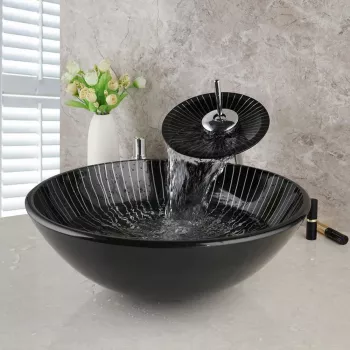
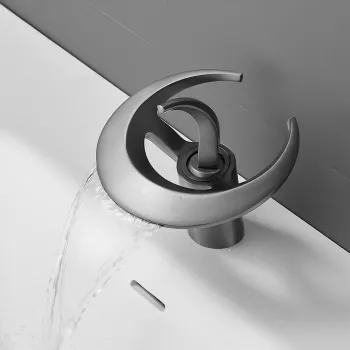
New faucets commonly come with a pop-up drain when they’re designed for a standard bathroom sink with an overflow. In those cases, the box often includes the drain body, stopper, lift rod, linkage, and sometimes a tailpiece extension. That said, it’s increasingly common for modern faucets—particularly vessel sink and waterfall styles—to be sold without a drain, or with the drain listed as an optional add-on.
Before buying, check the product listing for phrases like “includes drain assembly” or “drain sold separately.” Also verify the drain type you actually need:
If you’re shopping for a modern faucet and vessel sink pairing, a dedicated guide can help you confirm compatibility and avoid ordering the wrong drain. For a detailed walkthrough on choosing the right setup, see this modern black waterfall faucet and pop-up drain guide.
Choose a drain with overflow if your sink has an overflow opening near the rim. If your sink has no overflow (common with vessel sinks), use a non-overflow drain to seal correctly and prevent leaks.





Leave a comment