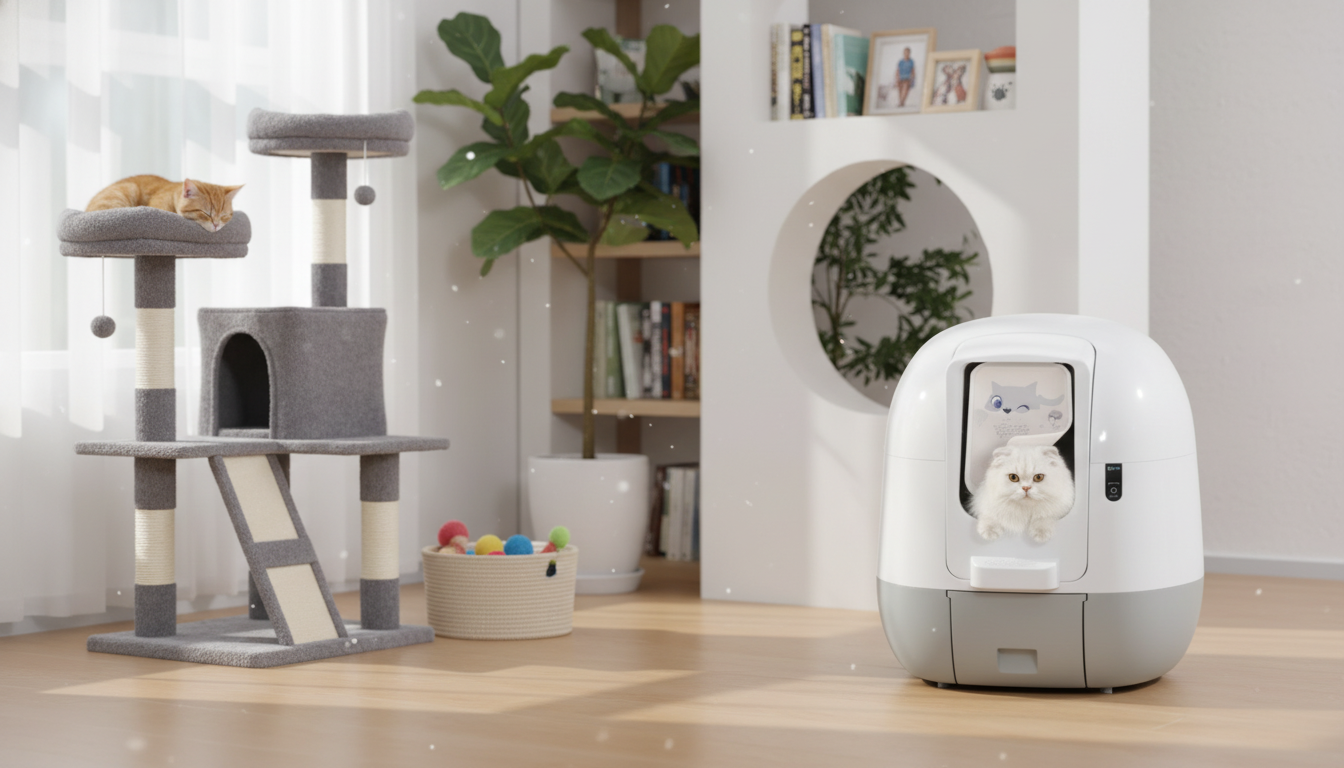
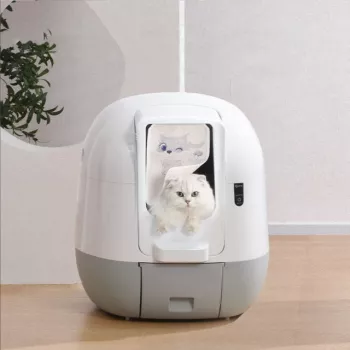
A smart, self-cleaning enclosed litter box can reduce daily scooping, help contain odors, and keep litter tracking under control—especially in smaller homes. The enclosed design adds privacy for many cats while keeping the mess out of sight. Below is a practical breakdown of what to expect, how the features typically work, and how to set it up for smooth adoption.
Most automated boxes aim to keep the litter bed “ready” with less hands-on work. Instead of scooping after each visit, the box runs a cleaning cycle that separates clumps from clean litter and moves waste into a dedicated bin.
For many households, the biggest day-to-day win is consistency: the box cleans the same way every time, which can help reduce lingering waste and the “I’ll scoop later” pile-up that often drives odor issues.
Enclosed litter boxes aren’t just about aesthetics. The housing can change how litter, odor, and visibility behave in a room—sometimes for the better, sometimes not.
If a cat has a history of avoiding covered boxes, treat the enclosure as a comfort feature—not a requirement. Space, entry height, and turning radius matter as much as the “smart” features.
Odor control is rarely a single feature; it’s the result of litter performance, waste containment, and how often the waste drawer is emptied. Even the best automation can’t hide an overfull bin or a poor seal.
| Task | Suggested frequency | Why it helps |
|---|---|---|
| Empty waste drawer/bin | Every 2–7 days (varies by cat count) | Prevents concentrated waste odors and keeps the mechanism running smoothly |
| Top up litter to the recommended level | 1–3 times per week | Maintains proper sifting performance and reduces wet spots |
| Wipe interior walls and entry | Weekly | Removes residue that can trap odor |
| Deep clean litter chamber | Every 3–6 weeks | Reduces ammonia smell and prevents buildup on moving parts |
| Replace/refresh deodorizing media or filters (if included) | As directed | Improves long-term odor reduction |
For general litter box best practices and behavior basics, see guidance from the American Veterinary Medical Association (AVMA) and the ASPCA.
Any moving mechanism needs strong safety design. Comfort matters, too—because a box that works perfectly on paper still fails if a cat won’t step inside.
Most households land around every 2–7 days depending on drawer size and the number of cats. Odor control improves with more frequent emptying, so it helps to monitor closely during the first two weeks and adjust to your cat’s routine.
It can, but it depends on the interior space, entry size, and whether the cat can turn comfortably without crouching awkwardly. Check dimensions before buying and watch for cramped posture or hesitation that suggests the fit isn’t ideal.
Clumping litter that forms firm, cohesive clumps tends to work best because the system can separate waste cleanly. If the system requires clumping litter, avoid non-clumping or crystal types, and keep your current litter during the transition to improve acceptance.




Leave a comment