Chic & Savvy Shopping: Smart Hacks and a Printable Checklist for Better Fashion Buys
Shopping for clothes feels effortless when there’s a simple system behind it. A few repeatable steps—planning, checking fit and fabric, and confirming versatility—can turn “hope it works” purchases into confident buys that actually earn their closet space. Below are practical shopping hacks you can reuse year-round, plus a printable checklist that keeps budgets, fit, and style goals on track.
Start with a 10-minute style plan before browsing
Before opening tabs or heading to the mall, spend ten minutes setting a simple boundary around what you’re shopping for. That tiny reset reduces duplicates, impulse buys, and “nothing to wear” frustration.
- Pick a purpose for the next 30 days: work refresh, event outfits, seasonal basics, travel capsule—then limit shopping to that purpose.
- Set 3 non-negotiables for every purchase: a fit standard (what must feel good), a fabric preference (what you’ll actually wear), and a wear-count goal (for example: “at least 20 wears”).
- Do a quick closet scan: write down gaps (missing layer, worn-out staple) and duplicates (too many similar tees) to prevent accidental repeats.
- Decide a color lane: choose 2 neutrals + 2 accent colors that already match most items you own.
The 5 smart shopping hacks that prevent regret
These five checks work whether you’re shopping online, thrifting, or trying on in-store. Use them as a filter so “cute” becomes “cute and useful.”
- The Pause Rule: add to cart, wait overnight, then re-check whether it works with at least 3 outfits you already own.
- The Three-Outfit Test: if an item can’t be styled three ways using existing pieces, it’s not a priority buy.
- The Comfort Reality Check: move like real life—sit, reach, walk, raise arms; avoid “only stands nicely” garments.
- The Fabric & Care Filter: check fiber content and care instructions first; high-maintenance care often means low wear.
- The Price-Per-Wear mindset: estimate expected wears; a higher price can be smarter if it’s worn often and holds up.
Quick decision table: keep, save, or skip
| Checkpoint |
Green light |
Yellow light |
Red light |
| Fit |
Comfortable now, no pulling or gaping |
Minor tailoring needed and worth it |
Depends on “losing weight” or constant adjusting |
| Versatility |
Works with 3+ outfits in the closet |
Works with 1–2 outfits |
Only works with a new wardrobe |
| Fabric & care |
Durable, breathable, manageable care |
Okay fabric but fussy care |
Scratchy, flimsy, or unrealistic care |
| Budget |
Within budget and planned category |
Over budget but replaces multiple items |
Impulse buy that breaks the plan |
| Long-term use |
Will still wear next season/year |
Trend-dependent but fun and limited spend |
Feels dated fast or doesn’t match lifestyle |
Build a mini capsule with high-impact staples
If your closet feels full but outfits feel limited, focus on pieces that connect looks together. The goal isn’t “minimal”; it’s “mixable.”
- Prioritize outfit connectors: a great pair of jeans or trousers, a layering knit, a structured jacket, and a versatile shoe anchor more outfits than a one-off statement item.
- Use the 60/30/10 wardrobe balance: 60% staples, 30% elevated basics, 10% statement pieces for personality.
- Create a go-to uniform for busy days: straight-leg denim + fitted tee + blazer + sneakers/loafers is one example; choose yours and keep it easy to repeat.
- Shop replacements before “new”: swapping worn essentials first instantly improves outfit quality and makes everything else look sharper.
Shop smarter online: sizing, reviews, and return-proofing
- Measure once: keep bust/waist/hip/inseam in a phone note and compare to each brand’s size chart (not the tag size).
- Read reviews strategically: filter by body type, height, and repeat issues like sheerness, pilling, shrinking, or inconsistent sizing.
- Confirm returns before buying: check the return window and return shipping costs; keep packaging until you’re sure it’s a keeper. The Federal Trade Commission’s online shopping guidance is a useful reminder of what to verify before checkout.
- Screenshot product details: save fabric, care instructions, and size chart notes so your decisions stay consistent even if listings change.
Shop smarter in-store: a fitting room routine that works fast
Use a checklist to stay chic, consistent, and on budget
- Keep decisions consistent: purpose → fit → fabric/care → outfit pairings → budget/returns.
- Use it anywhere: print it for in-store trips or keep it open on your phone while browsing online.
- Track your personal “wins”: note best rises, inseams, necklines, sleeve lengths, and fabrics that wear well. For deeper material insights, Good On You’s material guides can help you compare fibers and care expectations.
Printable fashion checklist (digital download)
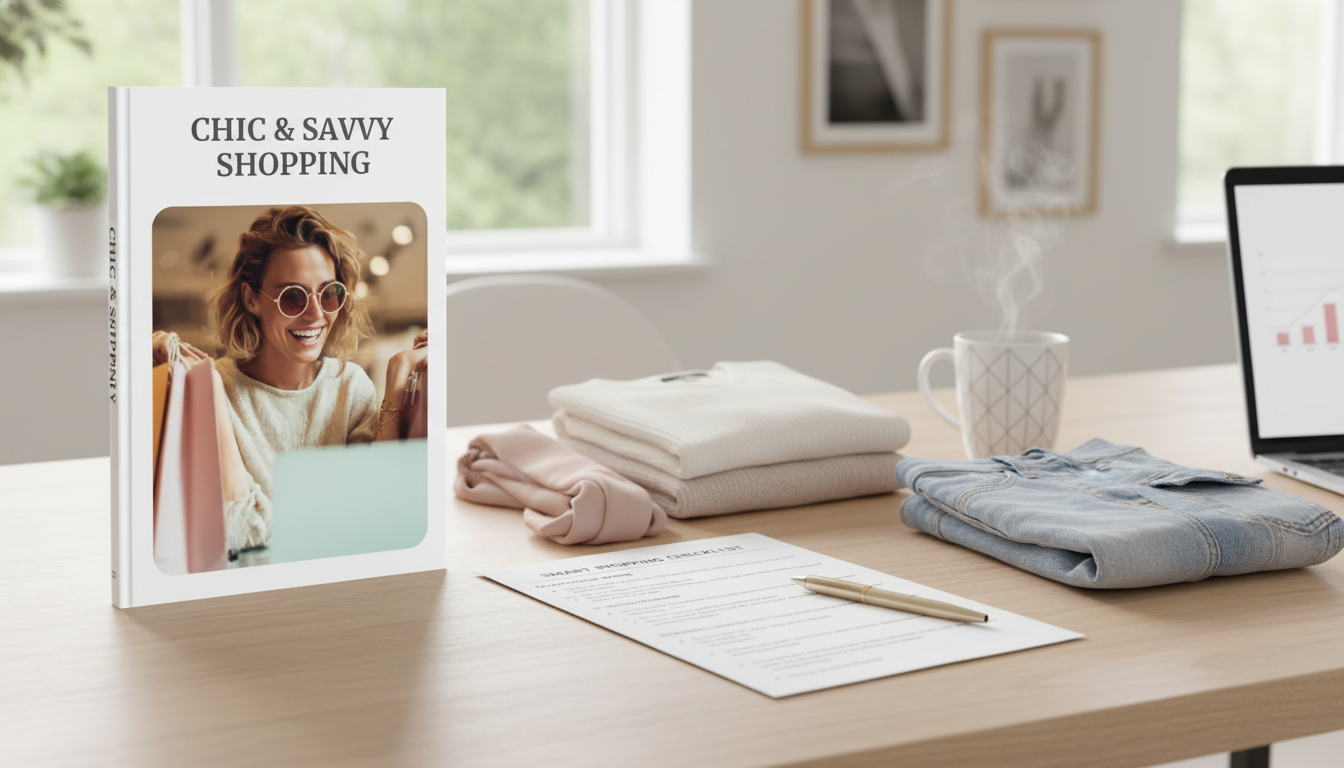
If you want the system in a grab-and-go format, the Chic & Savvy Shopping printable fashion checklist (digital download) is designed for quick, repeatable decisions—especially during sales or seasonal refreshes.
Bonus comfort pick for commuters and travelers
When outfits are planned but long drives or commutes leave you feeling stiff, comfort upgrades can make “real life” feel more polished. The Cotton Linen Universal Car Seat Cushion with Anti-Slip Backing is an easy add-on for daily errands, work commutes, or travel days—so you arrive feeling more put-together.
FAQ
What should be on a fashion shopping checklist?
Include purpose (what gap it fills), fit checkpoints, fabric and care requirements, versatility (the three-outfit test), budget/price-per-wear, and return policy notes so you can decide quickly and consistently.
How can shopping habits reduce closet clutter?
Shop with a plan, replace worn essentials first, avoid duplicates with a quick closet scan, and require each new item to work with multiple outfits you already own.
Is a digital checklist useful for online shopping?
Yes. It helps you compare size charts, evaluate reviews, confirm return terms, and apply a pause rule before checkout—cutting down on impulse buys and returns.
Recommended for you





Leave a comment