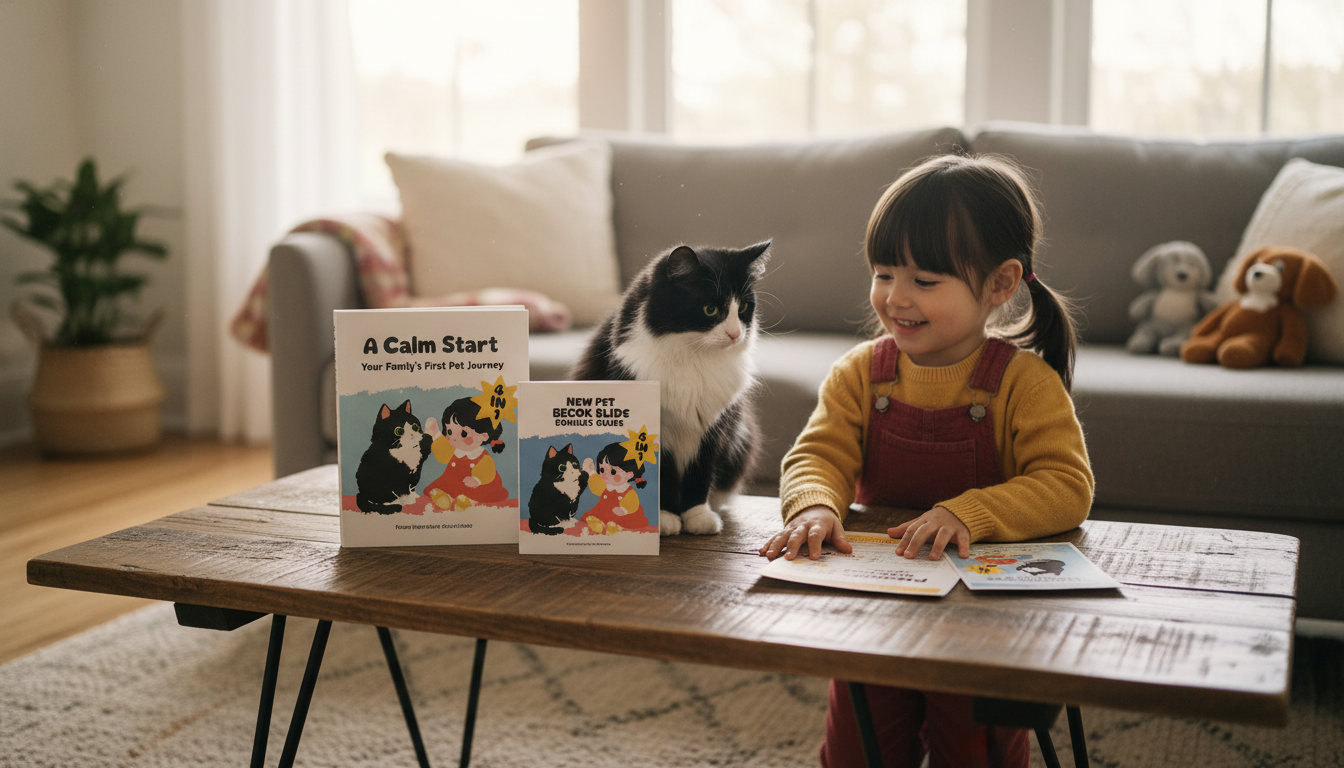
Bringing a first pet home can be a joyful milestone for kids—and a big adjustment for the whole household. The most common challenges are mismatched expectations, rushed decisions, and missing basics during the first week. A calmer start comes from two things: choosing an animal that truly fits your daily life, and building kid-safe routines that stay consistent even during busy weeks. Below is a practical, family-friendly path for choosing a good match, preparing your home, introducing your new pet safely, and keeping responsibilities clear from day one.
When families picture a first pet, it’s easy to focus on what’s exciting or cute. The best first-pet choice is usually the one that matches your household’s rhythm—school mornings, sports practices, weekends away, and how much hands-on time adults can reliably provide.
| Pet type | Daily hands-on time | Kid interaction | Upfront setup | Typical challenges |
|---|---|---|---|---|
| Fish (freshwater) | Low | Watching more than handling | Medium (tank cycling, filter, heater if needed) | Water quality, regular testing, tank maintenance |
| Hamster/gerbil | Low–medium | Short gentle handling (best with older kids) | Medium (enclosure, wheel, bedding) | Nocturnal activity, bite risk if startled |
| Guinea pig | Medium | Often tolerant of gentle handling | Medium (larger habitat, hay storage) | Daily hay/cleaning, social needs (often best in pairs) |
| Cat | Medium | Good for calm interaction and routine play | Medium (litter, scratchers, carriers) | Litter training consistency, scratching, allergies |
| Dog | High | High engagement and training opportunities | Medium–high (crate, gates, leash gear) | Training time, exercise needs, supervision with young kids |
For more help narrowing options, practical guidance from the American Veterinary Medical Association and family safety tips from the CDC can help you align expectations before you commit.
The early days are where most families get overwhelmed: too many decisions, too many opinions, and not enough structure. The Perfect First Pet Bundle for Families with Kids – Guides, eBook, and Checklist for Beginners is designed to make that first week feel more predictable.
Families who also want a calmer, more functional home layout (especially when creating a pet “safe zone” away from foot traffic) may like the AI-Powered Solutions for Balanced Furniture Placement | 3-in-1 Bundle of Guides, eBooks, and Checklists as a companion resource for planning space.
A smooth first day is mostly decided before the pet arrives. Use a short, time-boxed setup plan so you’re not scrambling while your new pet is stressed and your kids are excited.
Kids do best with routines that are short, repeatable, and visible. The goal is not perfection—it’s consistency.
General care guidance from the ASPCA can also help families set humane, realistic expectations—especially around handling, enrichment, and stress signals.
If the goal is fewer first-week surprises and more calm follow-through, the Perfect First Pet Bundle for Families with Kids – Guides, eBook, and Checklist for Beginners is built to be referenced repeatedly as kids grow into new tasks.
| Item | Details |
|---|---|
| Price | $336.99 (USD) |
| Stock status | In stock |
| Product page | View product |
Adults should remain responsible for daily health and safety at every age, while kids take on tasks matched to their developmental stage. Younger children can observe and help with simple, guided chores; older kids can measure food, refresh water, and help clean with supervision.
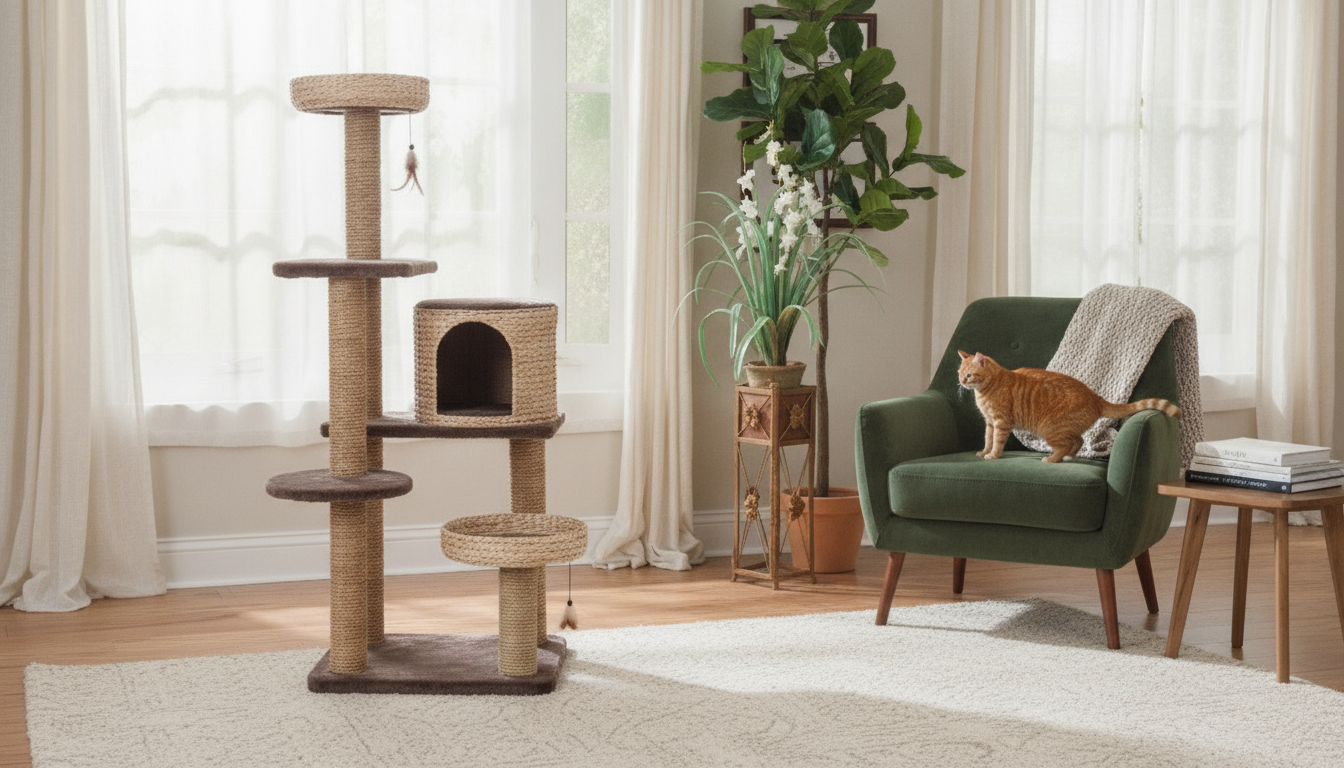
Start with the essentials: species-appropriate food, a safe habitat/crate/tank, bedding or litter, bowls, enrichment items, and pet-safe cleaning supplies. Set up a quiet safe zone before arrival so the pet can decompress without being surrounded.
Keep tasks brief and tied to daily triggers (like after brushing teeth), use a visible responsibility chart, rotate small roles, and do a quick weekly check-in to reset expectations. Adults should still handle the non-negotiables so care stays consistent even when motivation dips.



Leave a comment