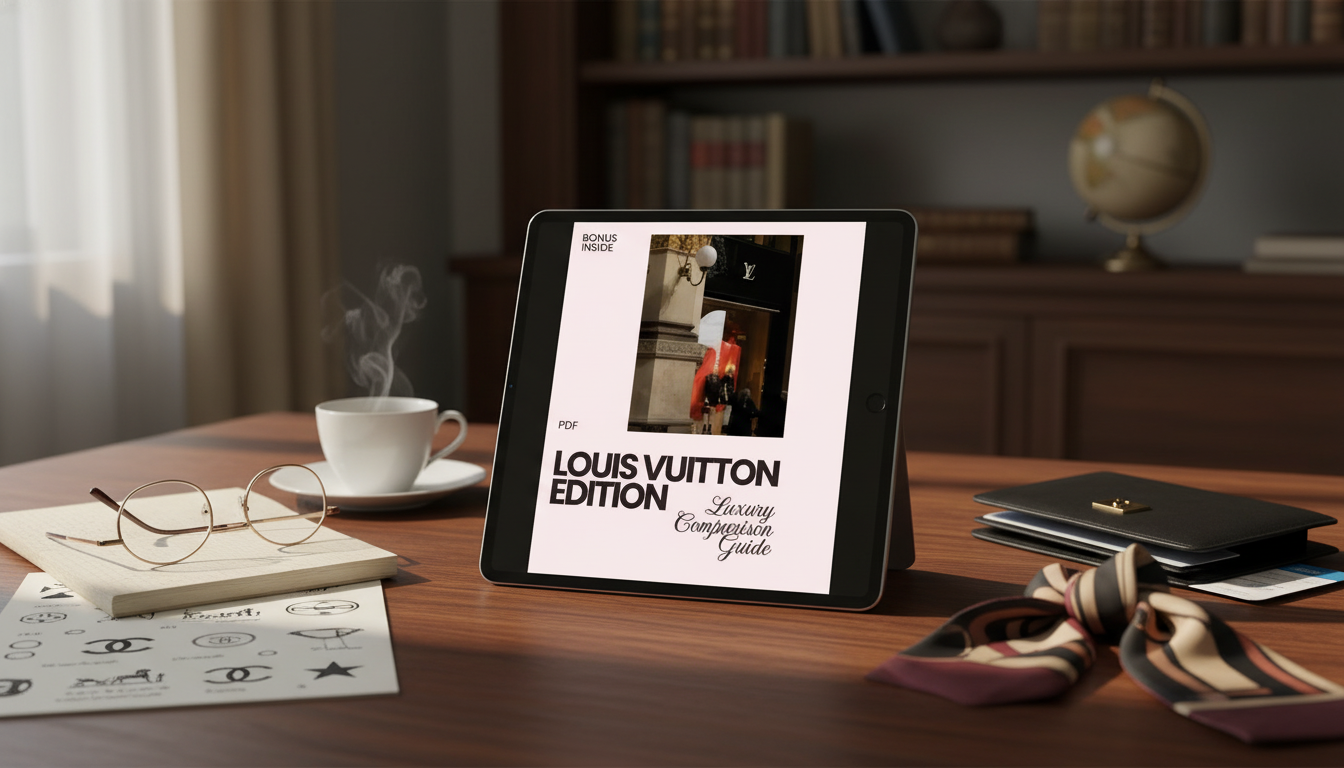
Louis Vuitton sits at the intersection of heritage craftsmanship and global status. Comparing it with other major houses helps clarify what drives price, durability, resale value, and long-term satisfaction—whether the goal is an everyday bag, a travel piece, or a collectible purchase. For more guidance, see Louis Vuitton Case Study — Business Model, Marketing Strategy ….
Louis Vuitton began with travel trunks and leather goods, and that travel-first identity still shows up in the brand’s emphasis on structure, hardware, and practical materials. Over time, it evolved into a fashion house with a wide category reach, but leather goods remain its most recognized cornerstone. For further reading, see Forget Gucci and Louis Vuitton. The True Top 10 Most Expensive ….
Its core strengths are easy to spot: iconic signatures (especially monogram and coated canvas), a broad retail footprint, and frequent product refreshes that keep classics and seasonal drops circulating at the same time. For many shoppers, Louis Vuitton is the “reliable luxury” choice—high recognition, relatively predictable construction, and an established service infrastructure through official channels like Louis Vuitton.
Luxury brands can land at similar price points while signaling very different priorities—some lean into quiet prestige, others into runway momentum, and others into strict heritage codes.
Coated canvas (a Louis Vuitton hallmark) is typically lighter, more weather-tolerant, and easier to wipe down than many leathers—making it a practical daily driver. Full-grain leather often delivers richer aging and texture, but it can show scratches, water marks, and softening more quickly depending on finish and structure.
Across luxury houses, common leathers include calfskin (often more resilient), lambskin (buttery and beautiful, yet more prone to scuffing), and grained leathers (generally better at disguising scratches). The “best” choice depends on how the bag will be used: commuting and travel usually reward tougher grains and sturdier construction.
Small construction cues often separate a bag that stays crisp from one that looks tired fast: consistent engraving, durable plating, clean edge paint, dense stitching, and a lining that can take abrasion. If a bag has chain elements, also consider chain-to-leather contact points—friction can mark corners and flap edges over time.
Before committing, check the usual wear zones: corners, strap attachment points, closure alignment, and glazing on handles. Also factor in color transfer risk (especially with light leathers) and how the material behaves in rain, heat, and daily friction against clothing.
A quick comparison is most useful when it helps narrow priorities: durability, quiet luxury vs. logo visibility, resale potential, and how easy it is to actually buy the piece. Also consider how often styles are updated—frequent refreshes can be exciting, but they may affect whether a specific iteration feels “timeless” years later.
| Brand | Signature Strength | Typical Style Signal | Durability Tendency | Availability |
|---|---|---|---|---|
| Louis Vuitton | Coated canvas + monogram heritage | High recognition | Strong for everyday wear (especially canvas) | High (many boutiques and online) |
| Chanel | Quilted leather + house codes | Classic, polished | Can be delicate in softer leathers | Moderate (seasonal allocations) |
| Hermès | Artisan leather + scarcity | Quiet status, collector appeal | Very strong (depends on leather type) | Low to limited (quota/relationship) |
| Gucci | Fashion-forward motifs + logo play | Bold, trend-driven | Varies by line and material | High |
| Dior | Couture-inspired silhouettes | Romantic, refined | Varies; some materials show wear faster | Moderate |
Luxury pricing reflects more than branding. Cost typically tracks a mix of material quality, labor intensity, production scale, distribution, and where the house positions itself in the market. Two bags can cost similarly while being expensive for different reasons: one due to labor and hand-finishing, another due to a signature material system and global retail infrastructure.
Quality varies by material and model. Louis Vuitton’s coated canvas is notably durable for frequent use, while other houses may excel in artisan leatherwork or delicate couture-led construction—so it’s best to compare the exact pieces and their typical wear points.
Hermès and certain Chanel lines are often strong performers, and many Louis Vuitton classics hold value well due to broad demand. Resale depends heavily on condition, authenticity documentation, and whether the item is a core style versus a seasonal release.
Start with weight, strap drop, and closure security, then inspect corner reinforcement, glazing/edge paint, and lining durability. Finally, consider how the material handles rain, abrasion, and color transfer in real day-to-day wear.



Leave a comment