
A first trip across Europe gets easier when decisions happen in the right order. Instead of juggling dozens of tabs and half-finished notes, use a simple framework: define your pace, choose a route that doesn’t waste days in transit, lock in the expensive items early, then build a daily rhythm that leaves space for real life—jet lag, weather, laundry, and spontaneous discoveries. Finish by organizing documents, money, and connectivity so nothing becomes an emergency on day one.
Before picking cities, decide what the trip is supposed to feel like. Your trip length sets the ceiling for how many places you can enjoy without constant packing and unpacking.
For entry requirements and country-specific travel considerations, keep official resources bookmarked, including U.S. Department of State – International Travel.
Complex routes look exciting on a map but can quietly steal the trip through long transfers, early alarms, and missed evening time. A clean first route is usually the most memorable.
| When | Decisions to lock in | Quick checks |
|---|---|---|
| 10–16 weeks out | Trip dates, 2–4 destinations, rough budget range | Passport validity, major festivals/holidays, typical weather |
| 8–12 weeks out | Flights (or major rail pass strategy), travel insurance | Cancellation rules, baggage policy, strike/route alternatives |
| 6–10 weeks out | Core lodging, long-distance trains or flights | Location vs. commute time, late check-in, local transit access |
| 4–8 weeks out | Top timed-entry attractions and day trips | Booking windows, closed days, accessibility needs |
| 2–4 weeks out | Local transport cards, restaurant shortlist, packing list | Plug type, data plan/eSIM, medication refills |
| 3–7 days out | Final confirmations, offline maps, documents folder | Bank travel notices, emergency contacts, weather updates |
A first Europe budget works best when it’s structured, but not obsessive. Organize spending so you always know what’s already covered and what’s still “live.”
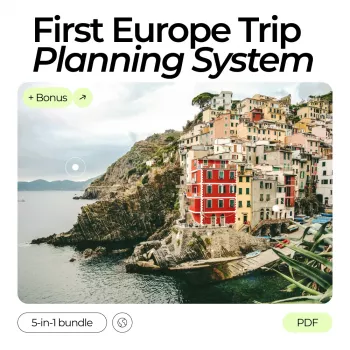
If you want a ready-to-use set of templates and sequencing, consider Planning System for Your First Europe Adventure – How to Plan a Trip to Europe for the First Time.
For a comfortable “planning HQ” at home while you build your itinerary and track confirmations, Solid Wood Desk 55 inches pairs well with a supportive seat like the Oversized 360° Swivel Barrel Chair with Storage Ottoman – Modern Living Room Accent.
For most first-time trips, 1–3 countries is the sweet spot, depending on total days and how far apart your stops are. A good rule is 3–4 nights per major city so you’re not spending the whole trip in transit.
Flights are often best booked about 2–4 months out (earlier for peak summer and major holidays), once your route is stable. For trains, book when schedules open or as soon as you see a price and departure time you’re happy with—especially on popular routes—while checking cancellation terms.
It can be, especially when you have significant prepaid costs and want protection for medical care, delays/cancellations, and lost baggage. Match coverage limits to what you’ve already paid and read exclusions carefully so the policy fits your actual risks.






Leave a comment