Chanel pieces can look flawless in photos yet feel surprisingly tricky in daily life. A smart buy is the one that fits your routines: it’s comfortable, works with what you already own, survives your commute, and doesn’t require constant worry. Use the checklist below to turn “love at first sight” into a grounded decision—so you end up with pieces that earn real mileage instead of becoming closet queens.
A quick reality check before buying
- Define the main use-case: workdays, weekends, travel, events, or everyday errands. If the item only works for “someday,” it’s already on thin ice.
- Match the item to climate and commute: rain, heat, public transit, stairs, and walking distance. A gorgeous lambskin flap bag may not love packed trains or sudden downpours.
- Confirm wardrobe compatibility: aim for at least 10 existing outfits that work without new purchases. If you need new shoes, a new coat, and a new dress to make it “make sense,” it’s not ready.
- Set a no-compromise list: comfort, weight, closure type, heel height, strap length, and fabric feel should meet your standards immediately.
- Plan for upkeep: consider storage space, cleaning access, color-transfer risk, and how easily hardware scratches in real life.
The wearability checklist (use before checkout)
- Comfort test: sit, stand, and walk for 10 minutes (or simulate at home) to catch pinching, slipping, or pressure points.
- Movement test: raise arms, bend, and reach; check if seams pull, buttons gape, or straps slide.
- Weight and fatigue: if carrying the bag/chain all day causes shoulder or neck strain, it’s not a daily piece.
- Closure speed: practice opening/closing one-handed; factor in nails, gloves, and phone-in-hand moments.
- Surface durability: note how easily the material marks, dents, or catches—especially at corners, cuffs, and hip-contact areas.
- Color transfer risk: light leathers and tweeds can pick up dye from denim and dark coats—plan outfits accordingly.
- Noise and fuss factor: chain clinking, embellishments snagging, and delicate trims can quietly reduce daily use.
- Season range: confirm at least two seasons of wear (or consciously accept it’s a special-occasion item).
Wearability scorecard (rate 1–5; total 30+ is a strong buy)
| Checkpoint |
What to look for |
Score (1–5) |
| Comfort & fit |
No pinching, rubbing, sliding; breathable feel |
|
| Movement |
Easy to sit, walk, reach; no pulling or gaping |
|
| Everyday speed |
Fast access, secure closure, hands-free options |
|
| Outfit range |
Works with 10+ outfits; day-to-night flexibility |
|
| Durability |
Corners, soles, and hardware resist wear |
|
| Maintenance |
Cleaning/storage is realistic; low stress to own |
|
Bag-specific checks: strap, size, and daily access
- Strap drop: verify it works over a coat and over a tee; crossbody should sit comfortably without bouncing.
- Chain comfort: check whether the chain digs into your shoulder; leather-interwoven straps often feel gentler, and some owners add a shoulder pad.
- Capacity reality: test with your real daily kit—phone, wallet, keys, sunglasses, lip product, small sanitizer.
- Interior function: pockets that fit modern phones; dividers that don’t steal space; a lighter interior that helps you see what you’re doing.
- Corner wear: lambskin and delicate finishes can scuff quickly—inspect corner structure and base stability.
- Security: assess how easily the flap/zip can open unintentionally in crowds or while seated.
Shoe-specific checks: comfort that survives a full day
- Toe box fit: enough room for natural toe spread; no pressure on the big toe joint.
- Heel and arch support: stable placement; avoid styles that rely on gripping with toes.
- Sole grip: confirm traction for smooth floors and wet sidewalks.
- Break-in expectations: if it already hurts in a brief test, it rarely becomes truly all-day wearable.
- Care plan: light colors show scuffs; confirm whether a cobbler can resole/repair the style easily.
- Sock compatibility: some silhouettes require no-show socks or blister guards—decide if that daily routine is realistic.
Ready-to-wear checks: comfort, layering, and real fabric behavior
Cost-per-wear and resale sanity checks
- Estimate realistic wears per month based on current lifestyle—avoid counting fantasy occasions.
- Set a cost-per-wear target: compare to alternatives that fill the same role (daily crossbody, office pump, travel-friendly jacket).
- Consider market liquidity: classic neutrals tend to resell more easily than highly seasonal colors or novelty trims; resale marketplaces often provide condition guidance and pricing patterns (see The RealReal).
- Keep packaging and receipts when possible: proper storage supports condition and future value.
- Prioritize condition over rarity if frequent use is the goal.
Common mistakes that create “closet queens”
Printable checklist option
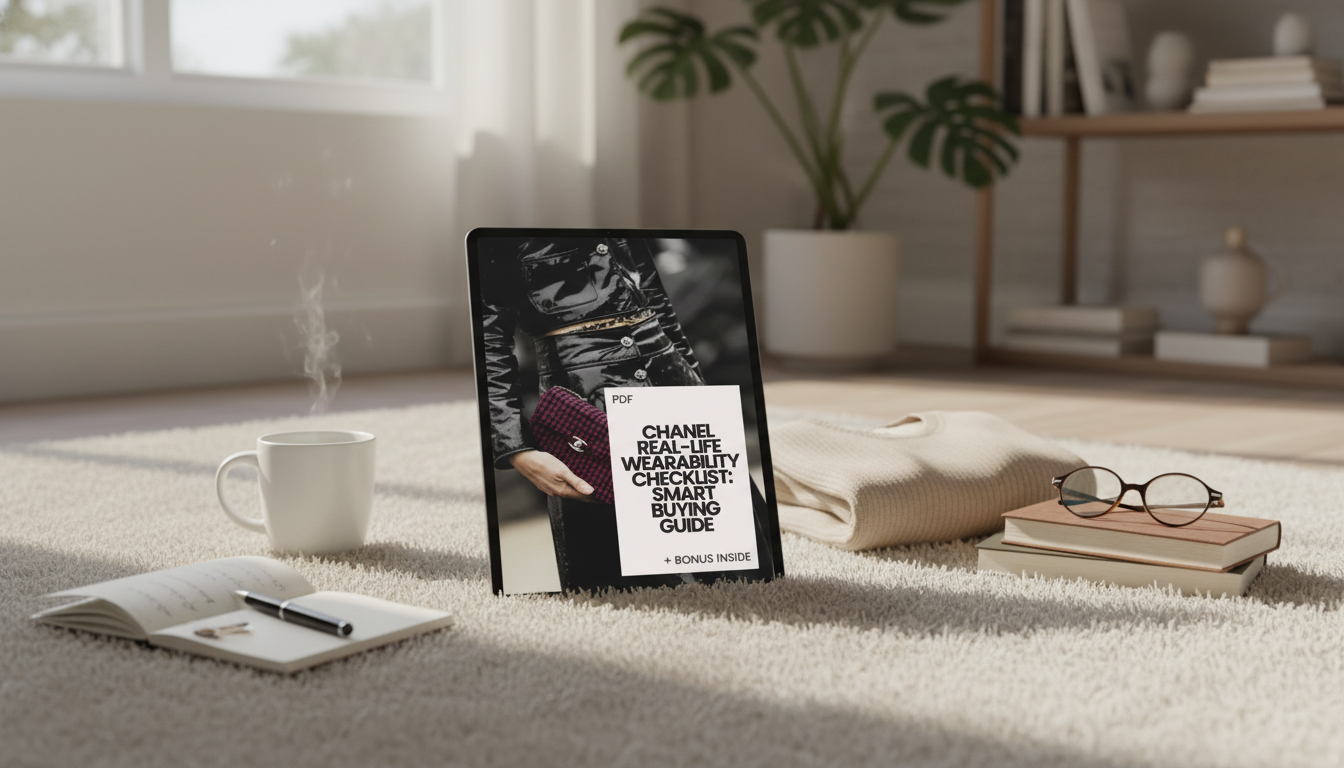
If you want a ready-made version with scoring and space for notes, see Chanel Real-Life Wearability Checklist: Smart Buying Guide. For a second checklist-style tool focused on brand evaluation (useful when deciding between “logo energy” and everyday versatility), consider Converse vs Adidas Brand Perception Power: The Ultimate Brand Comparison Checklist.
Helpful references for authenticity, care, and longevity
- Official product details and materials: Chanel Official Website
- Garment care and extending lifespan: Fashion Revolution
FAQ
How can a Chanel purchase be evaluated quickly without overthinking?
Use a 6-part scorecard: comfort/fit, movement, everyday speed, outfit range, durability, and maintenance. If the total is under 30 possible points (or you’re making excuses to “fix” issues later), pause and reassess.
What details most often reduce everyday wearability for Chanel bags?
The biggest issues are chain discomfort, insufficient strap drop over coats, limited capacity for modern phones, delicate corners/materials that scuff quickly, and closures that feel slow or insecure in crowds.
How can cost-per-wear be estimated realistically?
Count likely wears per week based on current routines, multiply by 52, then divide the purchase price by annual wears. Remove hypothetical events, and account for season limits and any maintenance downtime.
Recommended for you






Leave a comment