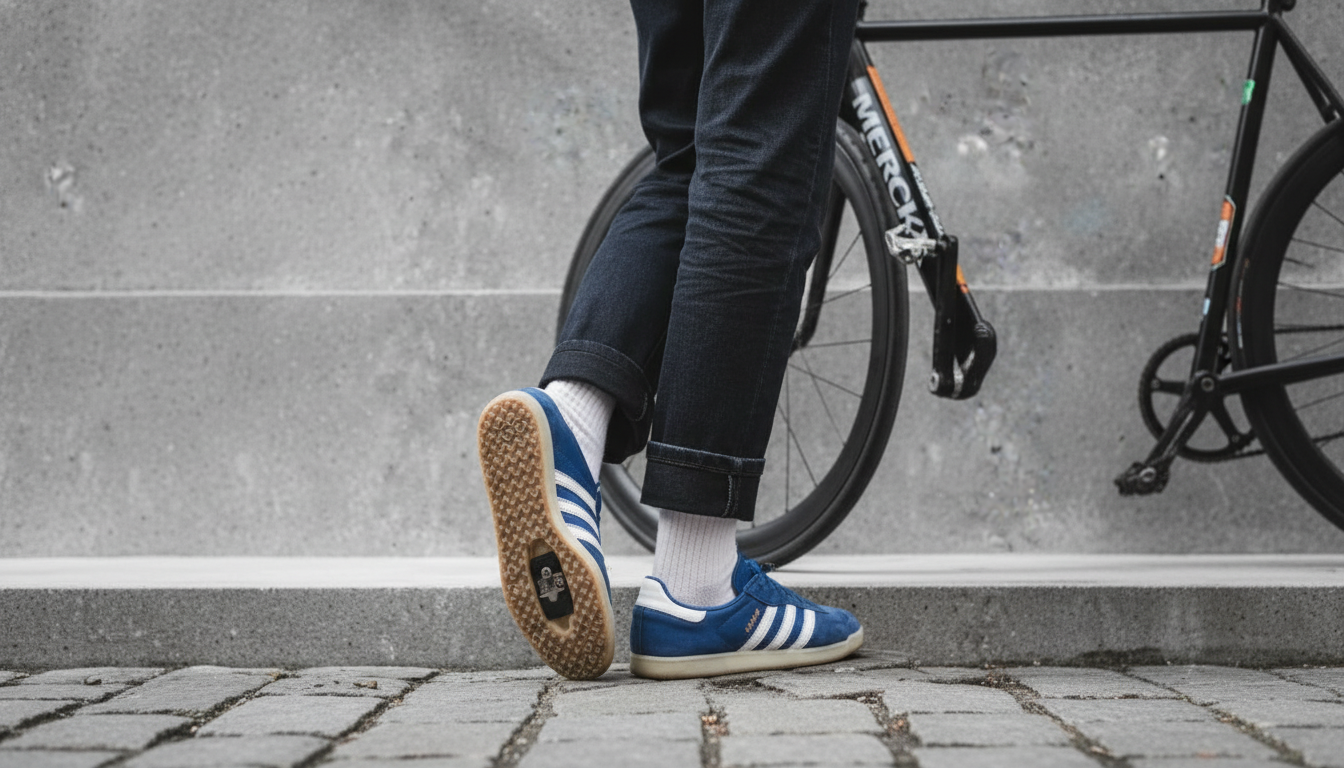
Adidas style sits at the intersection of sport, streetwear, and culture. In 2026, what looks “classic” is often powered by new styling rules: wider pant silhouettes, quieter branding, and creator-led outfit formulas that turn one sneaker or track top into a repeatable uniform. The advantage for stores and brands is clear: when you understand why different shoppers pick Adidas for fashion, product pages get sharper, merchandising gets easier, and campaigns stop relying on vague hype. For more guidance, see Communicating sport, sustainability and social activism to … – Frontiers.
Adidas fashion appeal keeps coming back to three pillars: performance credibility (it started in sport and still feels functional), streetwear legitimacy (it has a long record in music and skate scenes), and nostalgic archive energy (a deep catalog of silhouettes that constantly returns). For further reading, see Adidas Target Market Analysis & Consumer Demographics | Start.io.
Across categories, a few style codes repeat because they’re instantly recognizable: the three stripes, the trefoil, retro trainers, football aesthetics, and minimal athletic silhouettes that look clean with modern fits. The “sport-to-street” formula works because comfort is real—not just claimed—and branding is readable at a distance without needing loud graphics.
Style narratives form where people actually build outfits: collaborations, music scenes, football culture, skate, and creator-led styling. That’s also where shoppers learn the details they care about—what’s archival, what’s a true reissue, what’s a new take, and how to wear it without looking like a costume.
Not every Adidas buyer is trying to look the same. A cleaner way to market is to segment by motivation and styling behavior, then match proof points and content formats to each group.
| Segment | What they care about | What convinces them | What to avoid |
|---|---|---|---|
| Archive Collector | heritage, rarity, design provenance | drop calendars, archive references, collab context | generic product copy, unclear release details |
| Streetwear Stylist | silhouette, styling range, color palette | outfit ideas, UGC, fit notes, seasonal edit | overly technical jargon without styling payoff |
| Performance Crossover | comfort, multi-use, durability | materials, cushioning/comfort cues, wash/wear guidance | fashion-only claims with no functional proof |
| Football Culture Fan | club/national aesthetics, terrace vibes | retro inspiration, authentic details, styling with denim/jackets | inaccurate references or forced hype |
| Value-Driven | price, familiarity, trust | bundles, clear value props, simple comparison | confusing tiering or hidden costs |
| Sustainability-Minded | impact, transparency, longevity | certifications, materials breakdown, care to extend life | vague “eco” statements |
For trend validation and demand shifts, it helps to pair qualitative signals (creator outfits, terrace looks, collab chatter) with basic quantitative checks. Tools like Google Trends can reveal when specific silhouettes or categories spike, while the adidas annual report helps contextualize category emphasis and macro movement.
Trends don’t need to be complicated to be useful. The most repeatable signals are the ones shoppers can apply daily—especially when the styling formula is simple.
Great product storytelling doesn’t abandon specs—it translates them into outfit outcomes. A shopper wants to know what the item does for their daily rotation: how it sits with denim, how it balances proportions, and whether it stays comfortable after hours of wear.
Group shoppers by motivation and styling behavior: archive collectors, streetwear stylists, performance crossovers, football-culture fans, value-driven buyers, and sustainability-minded shoppers. Then match each segment with the proof they trust most (drop context, fit notes, comfort cues, authenticity, pricing clarity, or impact transparency).
Prioritize repeatable signals that translate into clear product choices: retro running silhouettes, terrace/football styling, quieter branding, and creator-led outfit formulas. Each trend works best when paired with concrete visuals that show proportions and full outfits, not just close-up product shots.
Include a clear style role, real fit notes, outfit pairings, material specifics, care guidance, and imagery that shows on-foot scale plus outfit context. Segment-aware recommendations (like “terrace-ready layers” vs “travel comfort essentials”) help shoppers self-select faster.

Leave a comment