8x10x7.5 FT Polycarbonate Greenhouse: Room to Grow Without Feeling Cramped
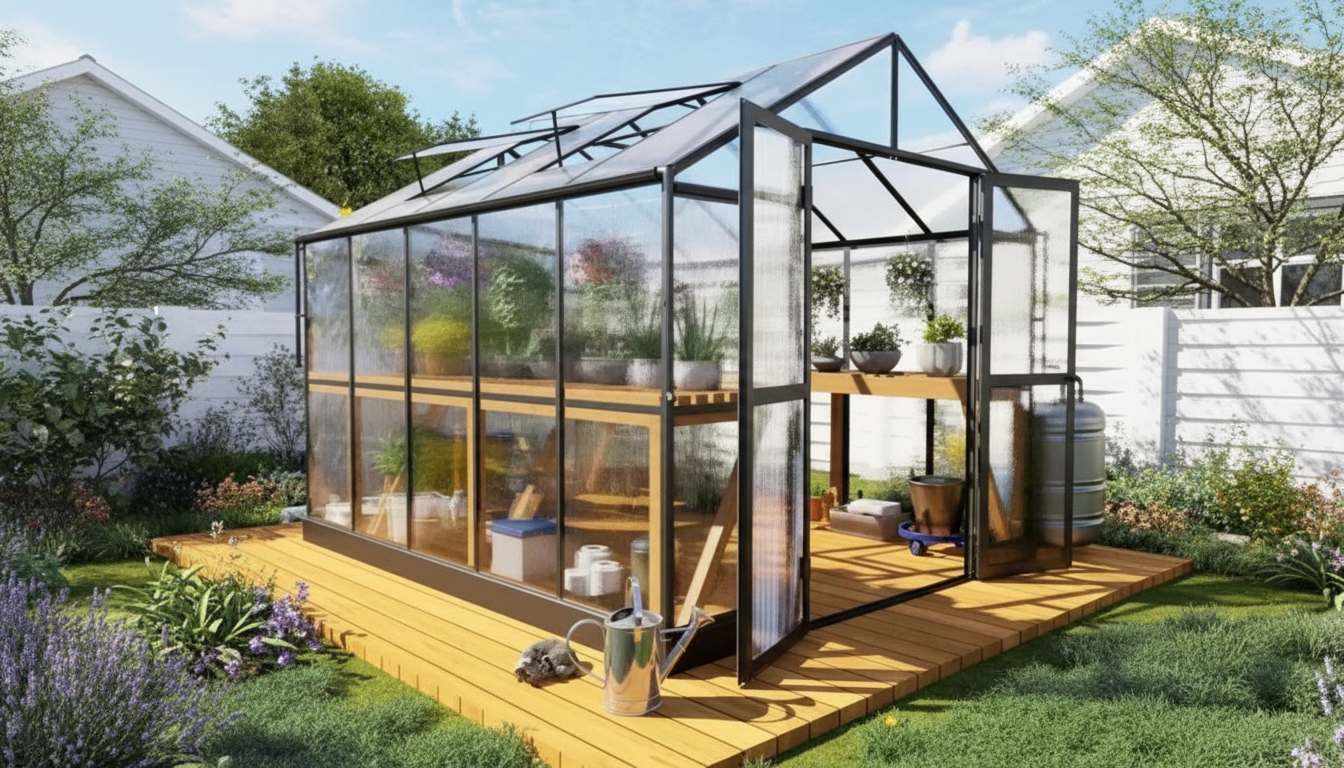
A spacious 8×10 greenhouse with tall walls can change how a garden works day to day: easier movement, better plant spacing, and improved airflow. With polycarbonate panels, roof vents, and double doors, this style of structure supports season extension while staying practical for routine tasks like watering, potting, and moving trays or carts.
For growers who want a walk-in greenhouse that feels comfortable (not crouched or crowded), a 7.5 ft wall height paired with a manageable 8×10 footprint is a sweet spot—big enough to be productive, small enough to keep organized.
What This Greenhouse Layout Makes Easier
- Tall 7.5 ft wall height supports trellised crops (tomatoes, cucumbers, pole beans) without constant pruning just to fit the space.
- 8×10 footprint balances capacity and manageability, leaving room for a central path, shelving, and a potting corner.
- Double doors improve access for wheelbarrows, soil bags, large pots, and moving plants in and out during shoulder seasons.
- Roof vents support daily temperature control, helping prevent heat stress and reducing condensation that can encourage disease.
- Polycarbonate glazing helps diffuse light, reducing harsh hotspots on leaves compared with some clear coverings.
Core Features to Pay Attention to Before Setting It Up
Before assembly day, it helps to confirm a few details that affect comfort, durability, and day-to-day usability.
- Panels: Polycarbonate is valued for impact resistance and light diffusion. Confirm panel thickness and whether they’re multiwall (often better insulation than single-wall options).
- Doors: Double-door width and hinge design affect how comfortably carts, shelves, and taller plants move through the entry.
- Ventilation: Roof vents plus a door-open option provide passive airflow. An automatic vent opener is worth considering if midday monitoring is tough.
- Wall height and roof shape: Tall sidewalls increase usable growing space along the edges and allow higher shelving without crowding the center.
- Frame and anchoring: A stable base and secure anchoring matter as much as the frame material, especially in windy areas.
- Fasteners and seals: Weather-resistant hardware and protected panel edges help reduce dust and moisture intrusion over time.
At-a-glance checklist for an 8×10 tall-wall polycarbonate greenhouse
| Item to check |
Why it matters |
What to look for |
| Interior height (7.5 ft class) |
Comfort and trellis space |
Room to stand and work; clearance for tall crops and shelves |
| Double doors |
Access and airflow |
Wide opening; smooth latch; ability to prop open safely |
| Roof vents |
Heat release and humidity control |
Vent placement high on the roof; option to add auto openers |
| Polycarbonate glazing |
Light diffusion and durability |
UV-protected panels; secure fit; protected edges |
| Foundation/anchoring plan |
Stability and longevity |
Level base; anchors rated for local wind conditions |
Placement and Foundation Basics for Long-Term Stability
- Pick sun first, then convenience: Many gardens aim for at least 6 hours of direct sun in peak season, adjusted for climate and crop type. Use your local conditions and planting calendar as the deciding factor.
- Avoid low spots: Cold air pools and water collects in depressions. Standing water around the base raises humidity and can undermine foundations.
- Orient doors thoughtfully: Placing the entry away from prevailing gusts can make venting easier to control and reduce sudden temperature swings.
- Build a square, level base: A pressure-treated lumber frame, compacted gravel pad, or concrete perimeter helps keep doors aligned and reduces long-term stress on panels.
- Leave service space: Give yourself room to wash panels, clear snow, and check anchors without fighting fences or shrubs.
For climate context and plant timing, the USDA Plant Hardiness Zone Map is a reliable baseline, especially when planning spring starts and fall transitions.
Temperature and Humidity Control With Doors and Vents
Ventilation is less about blasting plants with wind and more about steady air exchange that prevents overheating and persistent leaf wetness.
For practical ventilation habits and seasonal care, the Royal Horticultural Society (RHS) greenhouse guidance is a strong reference.
How to Use the Tall Walls: Shelving, Beds, and Crop Zoning
Season Extension and Crop Planning
For a broader look at season extension strategies, see the University of Minnesota Extension resource on greenhouses and high tunnels.
Maintenance That Keeps It Clear, Tight, and Sturdy
Product Options (In Stock)
FAQ
Do polycarbonate panels get enough light for vegetables and seedlings?
Yes—polycarbonate typically provides ample light for seedlings and many vegetables, and its diffusion can reduce leaf scorch by spreading sunlight more evenly. Keeping panels clean helps maintain light levels, and shade cloth can prevent overheating during peak summer sun.
How should the vents and double doors be used on hot days?
Open roof vents first to release rising heat, then crack the double doors to pull in cooler air and create a chimney effect. Monitor temperature at plant height, and avoid sealing everything suddenly late in the day, which can trap humidity overnight.
Does a tall-wall greenhouse need a foundation?
A foundation is strongly recommended because a level, square base keeps doors aligned and improves wind resistance. Common options include a pressure-treated lumber frame, a compacted gravel pad, or a concrete perimeter, paired with anchoring appropriate for local wind and snow loads.
Recommended for you



Leave a comment