HomeBlogBlog32A 7kW Type 2 Wall EV Charger With RFID Card Access

32A 7kW Type 2 Wall EV Charger With RFID Card Access

32A 7kW Type 2 Wall EV Charger With RFID Card Access

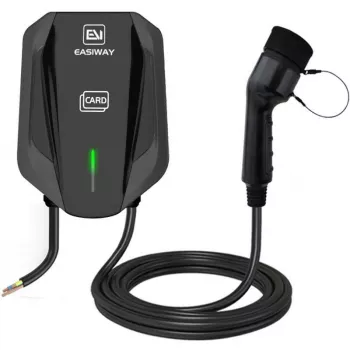
32A 7kW Type 2 Wall-Mounted EV Charger with Smart Card Activation

A 7kW wall-mounted charger is a practical step up from a standard socket: faster daily top-ups, a dedicated circuit, and controlled access. This guide breaks down what a 32A Type 2 charging station does best, what to confirm before installation, and how smart card activation fits shared driveways, rentals, and small fleets.

What this charging station is designed to do

  • Deliver up to 7kW AC charging on a single-phase supply (typical home and small commercial use).
  • Use a Type 2 interface compatible with most European-spec EVs and many Type 2-equipped vehicles elsewhere.
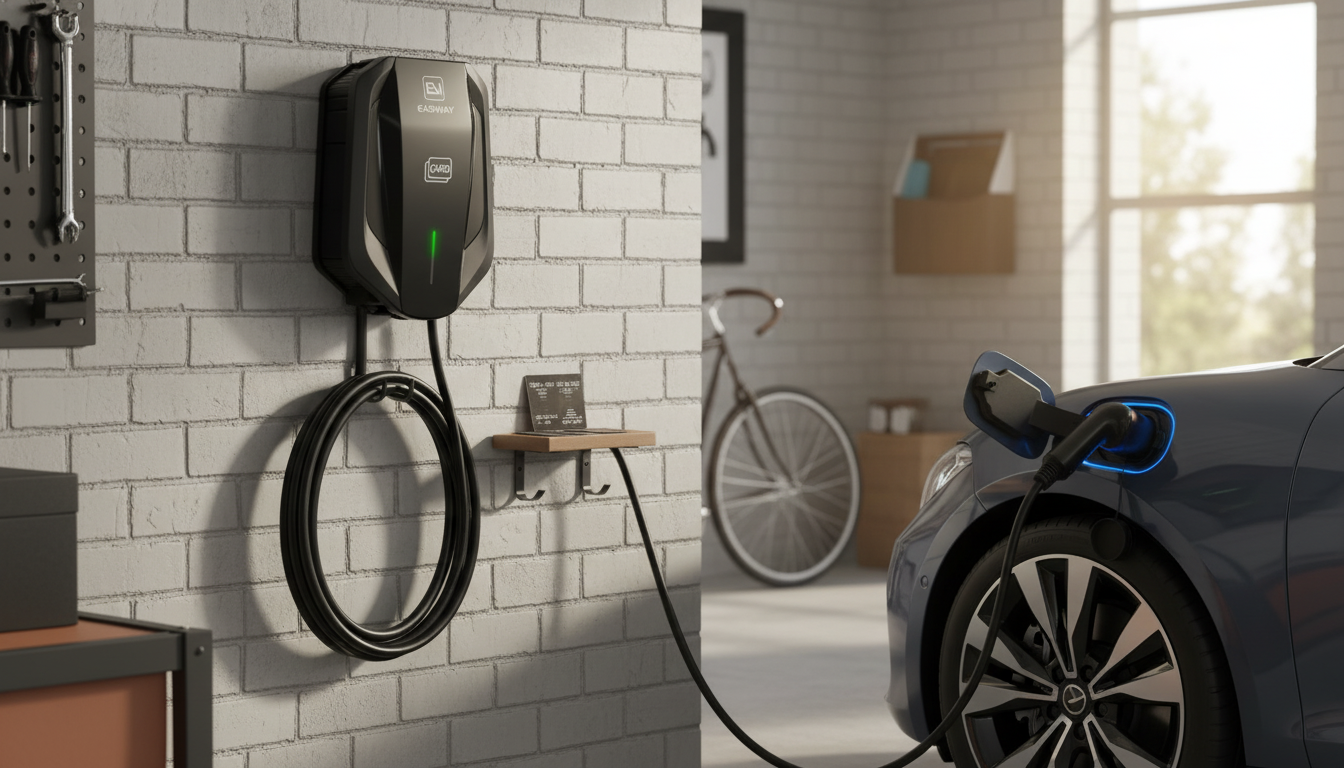
  • Mount on a wall for a clean, fixed setup that keeps cable management and parking routines consistent.
  • Limit charging access using smart card (RFID-style) activation—useful for shared parking or guest control.
  • Support repeatable overnight charging so the vehicle is ready without relying on public chargers.

For a deeper baseline on home charging setups and what to expect from Level 2 equipment, the U.S. Department of Energy provides a helpful overview here: U.S. Department of Energy — Home Charging.

Key specifications that matter day to day

  • Current rating: 32A determines the maximum power on compatible wiring and supply.
  • Power level: 7kW is often a sweet spot for overnight charging without moving to 3‑phase hardware.
  • Connector standard: Type 2 (vehicle-side compatibility depends on the car’s inlet or adapter support).
  • Access control: smart card activation helps prevent unauthorized use and enables simple user separation.
  • Installation format: wall mounted—confirm mounting surface strength, cable routing, and weather exposure.

At-a-glance overview

Item What to check Why it matters
Max output Up to 7kW (single-phase) Faster charging than a regular plug for daily replenishment
Max current 32A Determines breaker/cable requirements and achievable charging rate
Connector type Type 2 Compatibility with most modern EVs using Type 2 inlets
Activation Smart card Prevents casual or unwanted use in shared locations
Mounting Wall mounted Neater, safer cable management and consistent parking routine

Smart card activation: when it’s genuinely useful

RFID-style smart card activation is most valuable when the charger isn’t strictly “private.” Instead of relying on an app login (or leaving a charger live all the time), a card lets authorized drivers start a session instantly.

  • Shared parking: restrict usage to household members or approved drivers.
  • Rental properties: allow a landlord or property manager to control who can charge.
  • Small workplaces: reduce disputes and keep charging available for staff who are authorized.
  • Guest access: issue a spare card temporarily rather than sharing app credentials.
  • Basic accountability: even without billing, card-based access can discourage “charger squatting.”

While access control is a practical feature, it doesn’t change the fundamentals of charging safety and signaling, which are governed by established EV charging standards such as IEC 61851. For background, see IEC 61851 overview and connector context from CharIN — Charging standards and connectors.

Charging speed expectations for a 7kW unit

A 7kW AC station is designed for consistent, repeatable charging—think evening plug-in and a ready-to-drive battery by morning. It’s not meant to replace highway rapid charging, but it can dramatically reduce how often public charging is needed.

  • Vehicle limits apply: actual charging power depends on the vehicle’s onboard charger; some vehicles draw less than 7kW on AC.
  • Overnight pairing: a 7kW station is commonly paired with longer sessions rather than quick turnarounds.
  • Temperature effects: cold temperatures and battery conditioning can reduce effective charge rate during part of the session.
  • Confirm both sides: check the car’s AC charging limit (kW) and the home’s electrical capacity before committing to a 32A unit.

If the goal is reliability, the most important “speed” advantage is predictability: the same parking spot, the same cable reach, and a dedicated circuit that doesn’t compete with household loads in unsafe ways.

Installation and electrical requirements to confirm

A 32A wall-mounted charging station is typically treated as a significant electrical load. Before purchase or installation, confirm the essentials with a qualified electrician and follow local code requirements.

  • Circuit capacity: a dedicated circuit is typically required for a 32A charging station.
  • Protection devices: consult a qualified electrician about appropriate RCD/RCBO type and surge protection where recommended.
  • Cable run length: longer runs may require larger cable to reduce voltage drop and heat.
  • Outdoor mounting: confirm suitable ingress protection and placement away from impact or standing water.
  • Permits and inspections: follow local code requirements and utility rules for EVSE installations.

Safety, durability, and usability checklist

Product options

FAQ

Will a 7kW wall charger work with any EV?

It will work with EVs that can accept AC charging through a compatible inlet. Type 2 chargers match vehicles equipped with a Type 2 port (common on many models), while other vehicles may require an adapter depending on regional standards and what the vehicle supports; the car’s onboard AC charger ultimately sets the maximum AC charge rate.

Does smart card activation require an app or internet connection?

Usually not—smart card (RFID) activation is commonly handled locally by the charger to start and stop charging. App features or internet connectivity depend on the specific charger model and how it’s configured.

What electrical upgrades are typically needed for a 32A EV charger?

A dedicated circuit with properly sized breaker and wiring is typical, and the installation may require an appropriate RCD/RCBO and possibly surge protection depending on local requirements. Cable sizing often needs to account for run length and voltage drop, so a qualified electrician should confirm the final design to local code.

Was this article helpful?

Yes No
Leave a comment
Top

Shopping cart

×