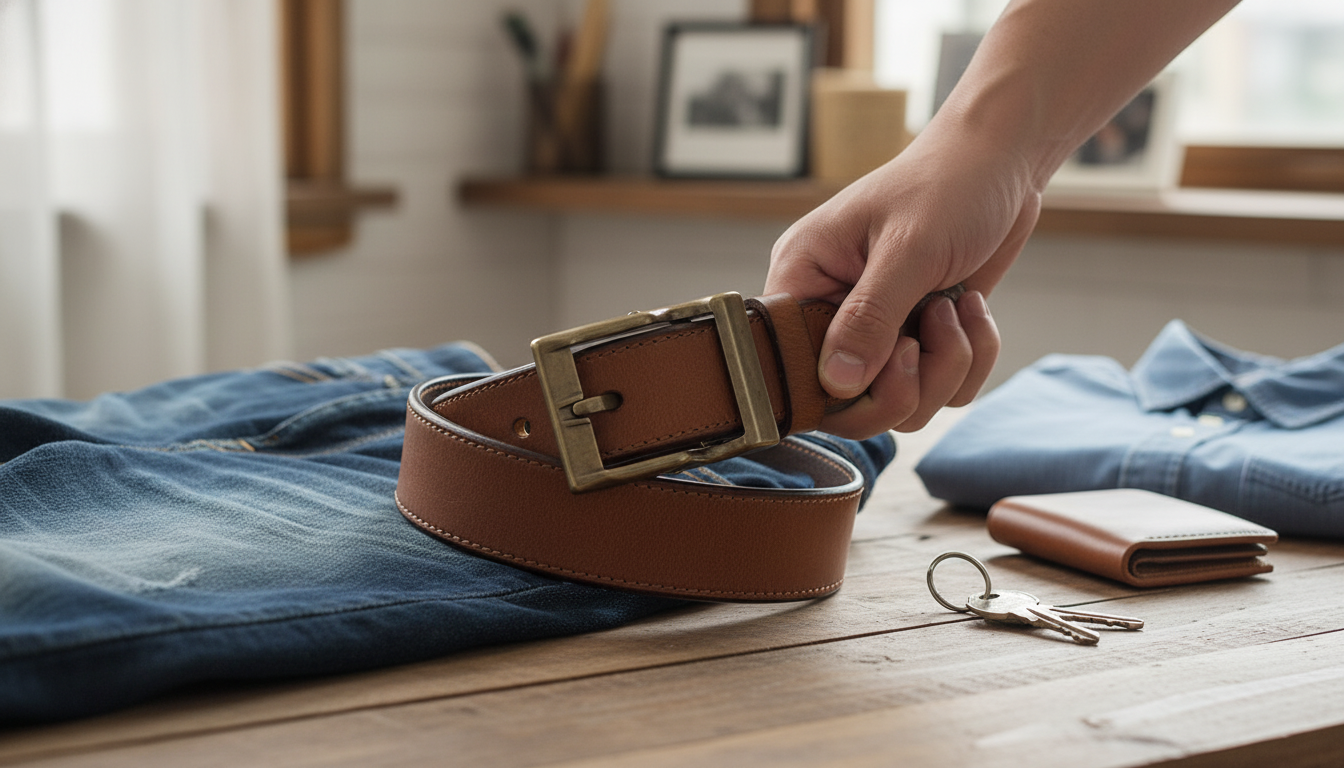
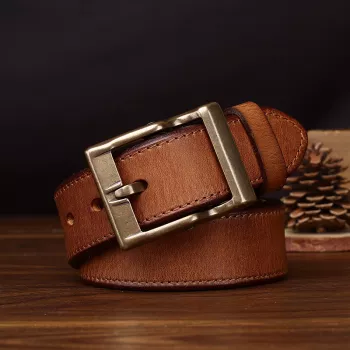
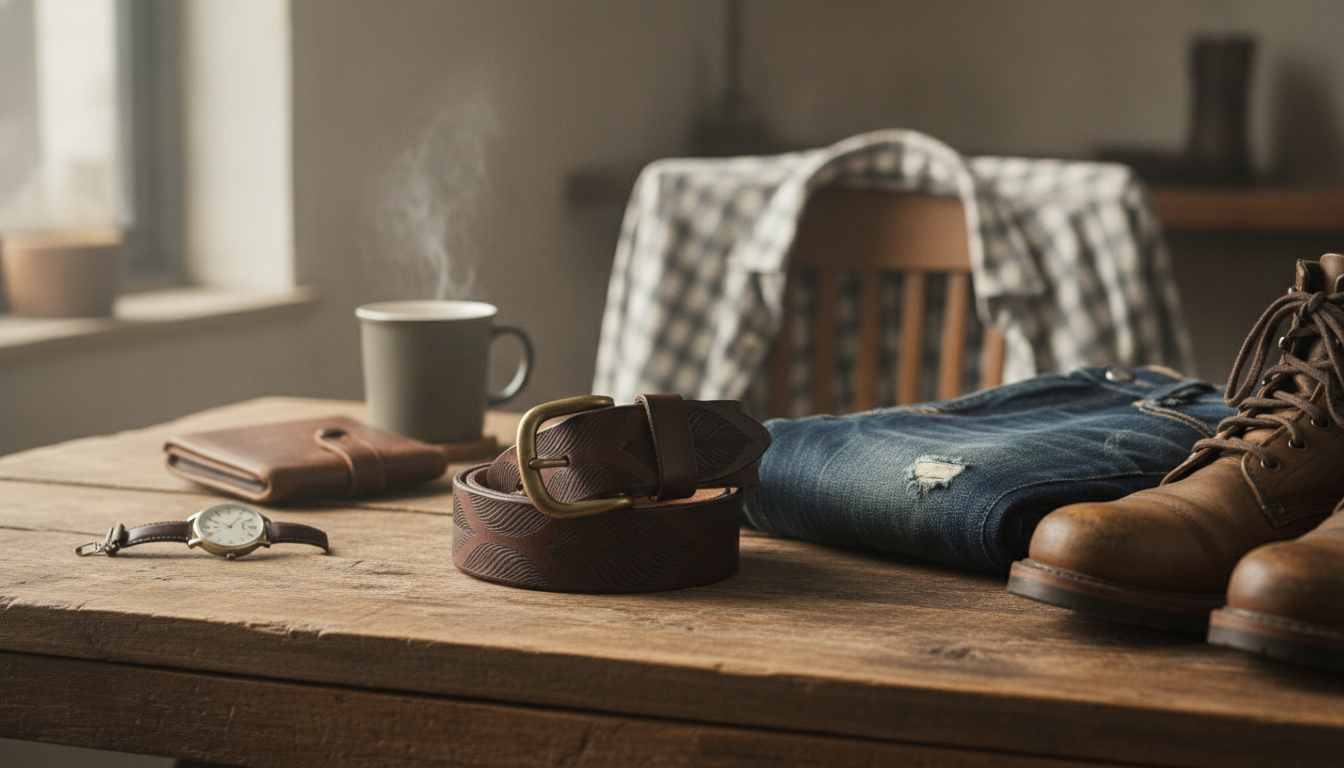
A well-made leather belt is one of the few everyday accessories that can look better with age. This 1.5 inch retro-style men’s belt is designed for casual wear with jeans and workwear-inspired outfits, pairing a classic width with genuine leather and a handmade finish. Below is a practical breakdown of what the 1.5 inch size means for fit, how leather construction affects durability, and how to choose the right length and care routine for long-term wear.
When a belt is meant to live in denim loops day after day, dimensions matter. A 1.5 inch width has become the everyday standard for men’s casual belts because it balances function and appearance across a wide range of jeans and casual pants.
Leather belts don’t just “wear out”—they “wear in.” With genuine leather, the surface and structure respond to your routine, your climate, and the way you buckle and unbuckle it.
For general care principles and responsible leather guidance, resources like the Leather Working Group are helpful, and materials-focused references from organizations such as NIST can be useful for understanding how materials react to environment and handling.
Fit is where a great belt becomes an everyday favorite. The goal is a secure, comfortable buckle point with enough tail to sit neatly in the keeper without feeling excessive.
Practical check: when buckled, it’s common to have a few inches of tail remaining, enough to pass the first keeper cleanly without wrapping far around your hip.
A retro jeans belt works because it’s versatile: it can read rugged with boots or quietly refined with darker denim. The key is matching the belt’s vibe to the textures and tones you’re already wearing.
Pair a retro leather belt with straight or relaxed jeans, then keep the top simple: a T-shirt, henley, flannel, or casual button-down. A 1.5 inch width looks proportionate with most denim fits, from classic to slightly roomy.
| Feature | Why it matters | Practical tip |
|---|---|---|
| 1.5 inch width | Fits many jean loops and looks proportionate with denim | Best for casual outfits; check loop width on slimmer pants |
| Genuine leather | Ages with character; can soften and mold slightly over time | Condition lightly if it starts to feel dry |
| Retro styling | Pairs well with boots and heritage-inspired clothing | Combine with denim jackets, flannels, and rugged textures |
| Fit/length | Comfort and adjustability depend on getting the size right | Target the middle hole for your normal wear |
| Care routine | Prevents cracking, stiffness, and discoloration | Avoid heat; air-dry and store hanging when possible |
No—1.5 inch is one of the most common everyday widths for men’s jeans and casual pants. It can be too wide for some dress trousers that use narrower belt loops.
A good fit usually lands on a middle hole with a few inches of tail left to sit neatly in the keeper. For accuracy, measure an existing belt from the buckle fold to the hole you use most often.
Clean gently, condition occasionally, and avoid soaking or exposing the belt to direct heat while drying. Store it hanging or rolled loosely to reduce harsh creases and stiffness.


Leave a comment