HomeBlogBlogJapandi Calm: Elegant Oak Swing-Door Wardrobe Storage

Japandi Calm: Elegant Oak Swing-Door Wardrobe Storage

Japandi Calm: Elegant Oak Swing-Door Wardrobe Storage

Elegant Oak Wood Wardrobe for Calm, Japanese-Inspired Storage

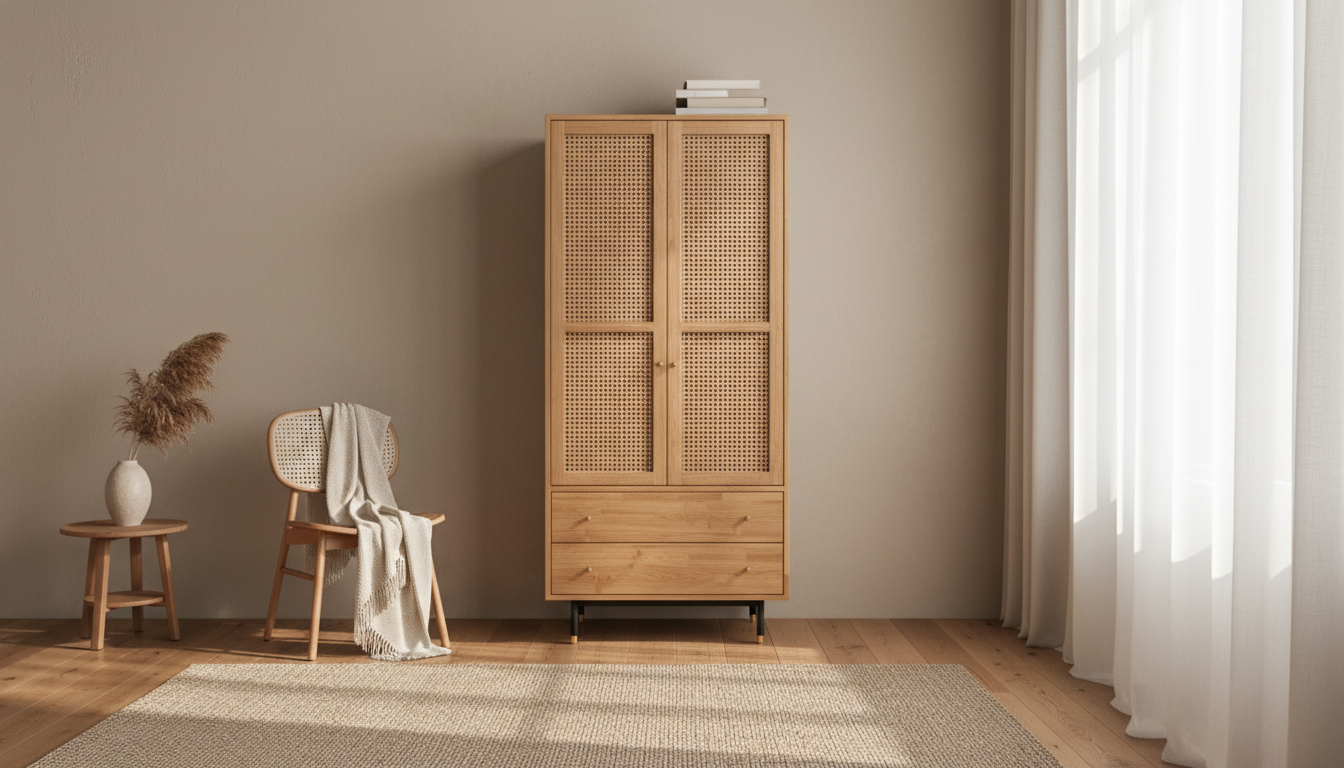
Bring calm, balanced storage to the bedroom with an oak wardrobe inspired by Japanese interiors. Clean lines, swing-door access, and warm wood grain create a grounded look while keeping everyday essentials organized and easy to reach. The result is a statement storage piece that supports a quieter, more ordered room layout—especially in spaces that feel visually busy or short on closet space.

For a closer look at the featured piece, see the Elegant Oak Wood Wardrobe – Japanese Style Swing Door Storage Cabinet.

What Makes This Wardrobe Distinct

  • Japanese-inspired simplicity: minimal visual clutter, balanced proportions, and a warm oak presence that reads calm rather than heavy.
  • Swing doors for full-width access: open the cabinet to reach clothing, linens, and storage boxes without digging through narrow openings.
  • Oak look and feel: a natural tone that pairs easily with neutral palettes, natural fibers, and matte finishes.
  • A functional focal point: substantial storage helps reduce “surface piles,” which often makes a room feel instantly more restful.

Oak furniture is also valued for its stability and long-term performance when cared for correctly. If you enjoy the practical side of materials, the USDA’s detailed reference on wood behavior is a helpful resource: USDA Forest Service – Wood Handbook (Wood as an Engineering Material).

Quick Details at a Glance

Wardrobe Snapshot

Item Details
Name Elegant Oak Wood Wardrobe – Japanese Style Swing Door Storage Cabinet
Material focus Oak wood aesthetic (warm grain, natural tone)
Door style Swing door cabinet
Primary use Clothing and household storage
Price 1680.49 USD
Availability In stock

How It Fits a Japanese-Style Room

  • Supports a low-profile layout: works especially well with platform or low beds, simple nightstands, and uncluttered wall space.
  • Plays nicely with soft light: complements shoji-inspired lighting, linen curtains, and neutral rugs with a gentle pile.
  • Works for Japandi mixing: pairs with black metal details, matte ceramics, and light oak or walnut tones for contrast that still feels quiet.
  • Looks best with “calm surroundings”: limit competing patterns and avoid placing multiple strong wood grains directly beside it.

If you’re aiming for a more considered home environment overall, indoor air quality and low-dust routines can matter as much as aesthetics. Practical guidance is available here: EPA – Indoor Air Quality (IAQ) Home.

Storage Planning: What to Put Inside

  • Everyday clothing: plan for foldables (tees, knits) and hangables (shirts, dresses) based on your preferred daily routine—easy access encourages consistent tidying.
  • Seasonal rotation: keep off-season items in breathable bins so shelves stay visually clean and you avoid “mixed-season” clutter.
  • Linen storage: towels, sheets, and spare bedding fit well in a wardrobe setup—especially in guest rooms where closets can be limited.
  • Accessories: dedicate one shelf or bin for belts, bags, and small organizers so countertops and chair-backs stay clear.

A simple habit that helps: keep one shelf as your “landing zone” for items that don’t have an immediate home. Once a week, reset that shelf back to zero.

Placement, Clearances, and Room Flow

  • Plan for door swing clearance: ensure doors can open fully without hitting walls, beds, or nightstands.
  • Set it on a level surface: a solid, even floor reduces hinge stress and helps doors stay aligned over time (use shims if needed).
  • Respect baseboards and trim: leave a small gap from the wall if molding prevents a flush back fit.
  • Reduce harsh exposure: avoid direct heat sources and frequent sunlight to help maintain a more even wood tone.
Pre-Placement Checklist

Check Why it matters
Door swing space Prevents collisions and makes daily use easier
Walking path Keeps circulation clear around the bed and dresser zone
Level floor Helps doors align and reduces long-term stress on hinges
Distance from heat/sun Helps minimize drying, warping risk, and uneven fading

Care and Long-Term Maintenance for Oak Furniture

If sustainability is part of your buying checklist, it can help to learn what responsible forestry certifications mean in practice: Forest Stewardship Council (FSC) – About FSC Certification.

Styling Ideas for a Calmer Bedroom

Coordinate the Look with Complementary Pieces

FAQ

How much space is needed for swing doors to open comfortably?

Measure the clearance in front of the wardrobe so the doors won’t hit a bed, wall, or nightstand. Full access is easiest when the doors can open close to 90° or more, especially for reaching corners and larger storage bins.

How should oak furniture be cleaned without damaging the finish?

Dust with a soft, dry cloth, then use a lightly damp cloth for residue and dry immediately. Avoid abrasive pads and harsh cleaners like ammonia or bleach; if needed, use a gentle wood-safe cleaner designed for finished furniture.

Does oak change color over time?

Yes—natural wood tones can mellow gradually with light exposure, and areas in direct sunlight may shift faster than shaded sections. For more even aging, limit prolonged direct sun and occasionally rotate nearby decor items.

Was this article helpful?

Yes No
Leave a comment
Top

Shopping cart

×