AI Styling Checklist for a Balenciaga Lifestyle Fit
Balenciaga styling works best when the look is built like a system: silhouette first, then proportion, then texture, then finishing details. The goal isn’t to stack “cool” pieces—it’s to make the full outline read as intentional from across the room. Use the checklist below to assemble a lifestyle fit that can swing runway-minimal, street-leaning, or sporty without losing cohesion. For more guidance, see The Best of Demna’s Balenciaga Looks in Street Style | Vogue.
For brand context and current runway-to-retail cues, it helps to reference the Balenciaga official site and editorial styling coverage from Vogue Fashion or GQ Style.
The Balenciaga vibe, simplified: silhouette, scale, and attitude
Most Balenciaga-leaning outfits succeed because they commit to one visual idea and support it with restraint.
- Anchor the outfit around one “statement volume” (oversized outerwear, wide-leg pants, chunky footwear) and keep the rest controlled.
- Prioritize clean lines and deliberate proportions: long-over-short, big-over-slim, or boxy-over-straight.
- Choose a mood before items: muted minimal, neo-sport, monochrome armor, or logo-forward street.
Think of silhouette as your headline. Everything else—color, texture, accessories—should read like subheadings that reinforce it.
Checklist: build the fit from the ground up
Start at the floor and work upward. This keeps the outfit from turning into a collection of good pieces that don’t agree on “weight” or intent.
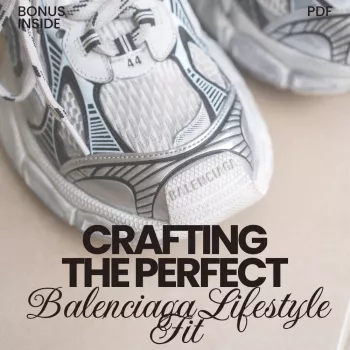
- Footwear first: decide if the base is chunky (adds weight), sleek (adds length), or technical (adds sport).
- Pants/leg line: wide and stacked reads modern; straight reads clean; tapered reads athletic.
- Top layer: pick either structure (blazer/coat) or softness (hoodie/knit) as the main texture.
- Outerwear as the focal point: bomber, oversized coat, or puffer shapes the entire silhouette.
- Accessories as punctuation: sunglasses, cap, crossbody, or minimal jewelry—avoid competing “loud” pieces.
Fit-building checklist by priority
| Step |
Decide |
Quick rule |
Common mistake |
| 1. Footwear |
Chunky / sleek / technical |
Match shoe weight to pant hem |
Heavy shoe + skinny pant looks unbalanced |
| 2. Pants |
Wide / straight / tapered |
Let the leg line lead the silhouette |
Stacking without intention looks sloppy |
| 3. Top |
Fitted / relaxed / boxy |
Only one main “volume” at a time |
Oversized top + oversized bottom without structure |
| 4. Outerwear |
Coat / bomber / puffer |
Outerwear should frame the whole look |
Too many statement layers at once |
| 5. Accessories |
One hero + one support |
Keep finishes consistent (matte, leather, metal) |
Mixing too many logos/finishes |
Color and texture rules that keep the look expensive
- Use a tight palette: monochrome, tonal neutrals, or one accent color (keep the accent to roughly 10–20% of the outfit).
- Balance sheen: if outerwear is glossy, keep pants/top matte; if footwear is high-shine, reduce metal accents.
- Texture stacking: pair one “hard” texture (leather/nylon) with one “soft” texture (cotton/knit) for contrast.
- Logo strategy: choose either subtle branding across pieces or one bold branded item—avoid multiple loud logos.
A simple “expensive” formula: one strong material statement (nylon puffer, dense wool coat, leather bag) plus quieter supporting basics with clean hems and minimal fuss.
Occasion mapping: lifestyle fits that still feel wearable
The same silhouette logic can flex across real schedules—just swap the functional priorities.
- Coffee run: oversized outerwear + straight pants + chunky sneakers + minimal shades.
- Travel day: technical jacket + relaxed pants + durable footwear + crossbody for hands-free function.
- Night out: darker tonal palette + sharper outerwear line + cleaner shoe + one standout accessory.
- Creative workday: structured coat/blazer + wide-leg pants + restrained palette + minimal jewelry.
When in doubt, make one choice “loud” (shape, logo, or shoe), and keep the rest quiet and clean.
AI-ready input templates to generate outfit options
These reusable templates help you produce multiple outfit options without losing the thread of the silhouette. The key is to state the silhouette goal and constraints up front so the output doesn’t drift.
- Outfit generator: include silhouette goal, color palette, occasion, key item, and constraints (weather, comfort, dress code).
- Proportion corrector: ask for 3 adjustments to improve balance, including hem/stacking, layer lengths, and shoe weight.
- Accessory finisher: request 5 accessory sets with one hero accessory and one supporting detail.
- Capsule builder: ask for a 10-piece mini-capsule that yields 12 outfits, centered on a single statement outerwear item.
Quick fit audits: how to tell if the look is done
- Silhouette check: from 10 feet away, the outline should read clearly (no “mushy” midsection).
- Length check: ensure at least one deliberate long line (coat length, pant length, or extended top layer).
- Weight distribution: heavy footwear needs either wider hems or a stronger top layer to match visual mass.
- Detail discipline: if the outfit has one loud element (logo, extreme volume, bright color), everything else should be quieter.
- Photo test: take one front and one side photo; adjust only one variable at a time (shoe, pant break, outerwear).
Recommended checklists (in stock)
If you want a ready-to-use version of the framework with fill-in templates, these downloads keep the process fast and repeatable:
What’s included in the checklist download
FAQ
How can an oversized Balenciaga-style outfit still look polished?
Commit to one dominant volume, keep the palette tight, and sharpen the finish with clean pant hems and intentional footwear. A defined outerwear line (structured coat or crisp bomber) prevents a shapeless outline.
What’s the easiest way to balance chunky shoes?
Use straight or wide-leg pants (or visible sock/hem stacking) so the shoe has enough visual “support.” Up top, add a stronger layer—like a boxy hoodie or structured coat—so the weight feels evenly distributed.
How many branded pieces should be in one look?
Usually one bold branded item works best, or several subtle branded details spread across the outfit. Avoid multiple loud logos competing in the same focal zone.
Recommended for you

Leave a comment