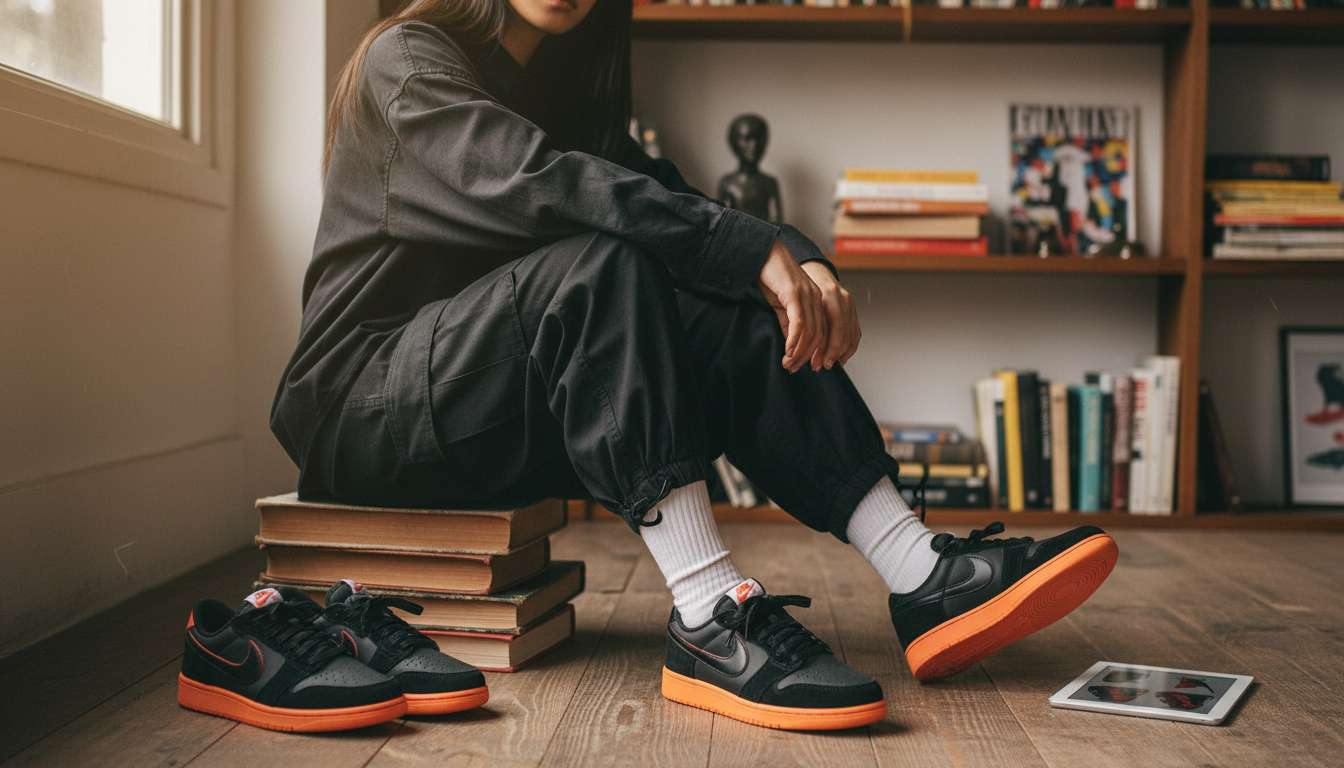
Nike’s impact on fashion goes far beyond footwear trends. Its design language, athlete storytelling, streetwear adoption, and high-profile collaborations have repeatedly shifted what feels “current” in everyday style. Seen up close, Nike operates like a cultural system—product design, community, media, and resale—where a single silhouette can move from a performance tool to a wardrobe staple, then into runway styling and back into daily fits through reissues and digital hype. For more guidance, see Nike Strategy And The Concept Of Cultural Innovation – Basic Arts.
For brand context and official releases, Nike’s own updates on Nike Newsroom help track what’s new, while fashion coverage from outlets like Vogue shows how athletic design codes keep reappearing in luxury and editorial styling. For further reading, see Nike Business Strategy Unveiled: Industry Insights, CSR, and ….
Many “fashion” Nike cues started as solutions: cushioning for impact, stability for cuts and landings, and engineered materials for breathability and weight. Once those innovations became visible—think sculpted midsoles, layered uppers, and technical textures—they also became aesthetics. What began as function turned into a recognizable look that could anchor an outfit.
The bigger shift was behavioral: sneakers stopped being “gym-only.” Comfort and practicality reshaped expectations for modern outfits, making all-day wear the default rather than the exception. Youth culture accelerated the change by styling sneakers with tailoring, dresses, and officewear—mixing a clean blazer with a sporty low-top or pairing wide-leg trousers with a retro runner. That tension (formal vs. athletic) became the point.
Nike’s seasonal colorways and limited runs also created a cadence that resembles streetwear drops: new colors land, feeds fill with outfit photos, and a pair’s styling “rules” form quickly in public.
Nike succeeds in fashion because it’s instantly legible. A few elements do a lot of work: Swoosh placement, layered paneling, visible Air units, bold color blocking, and retro running profiles. These aren’t just details; they’re signals. In a photo or short video, that signal reads fast—like a logo accessory that communicates taste, era, and subculture.
Heritage silhouettes are especially powerful because nostalgia is wearable. A retro profile can feel archival while still looking current when styled with modern proportions: cropped jackets, oversized tees, relaxed denim, or clean monochrome layers. At the same time, minimalist models—simple uppers and restrained palettes—slot neatly into capsule wardrobes and understated street style, where the goal is cohesion rather than loud branding.
Design consistency matters here. When a brand’s shapes repeat across decades, the audience learns the visual language, and the shoe becomes a stable styling tool rather than a one-season novelty.
Some releases become cultural markers because they combine scarcity, storytelling, and community discussion. The drop isn’t only a transaction; it’s a moment: people debate the backstory, compare materials, post on-foot shots, and build outfit references around the pair. That collective attention is what turns a sneaker into “fashion,” not merely popularity.
Resale and collecting intensify the effect. When a model becomes hard to get, it gains status—then shows up in styling content as a centerpiece, which increases demand, which increases visibility again. It’s a feedback loop where hype and outfit templates reinforce each other.
Regional scenes also shape what dominates locally. Basketball culture, skate crews, music scenes, and city-by-city styling preferences can elevate different Nike models at different times. And there’s a split between “wearing” and “collecting” that produces distinct fashion outcomes: beaters for everyday looks (built for repetition), and grails reserved for statement fits (built for impact).
Collaborations are where Nike’s performance DNA gets translated into new dialects—luxury materials, unconventional proportions, elevated branding, or intentionally “unfinished” construction. The best collabs don’t just remix colors; they reinterpret what the silhouette means.
| Cultural driver | What Nike did | Fashion outcome |
|---|---|---|
| Athlete storytelling | Built signature identities around top athletes and their footwear | Sneakers became personal style symbols, not just sports gear |
| Retro reissues | Re-released heritage silhouettes with updated colorways | Nostalgia cycles became mainstream streetwear uniform |
| Limited drops | Used scarcity and timed releases to focus attention | Drop culture shaped how outfits are planned around “the pair” |
| Cross-genre collaborations | Partnered with designers, artists, and labels | Sport design codes entered luxury and runway styling |
| Digital communities | Expanded app ecosystems and online storytelling | Fast trend diffusion via outfit posts, reviews, and styling clips |
Because Nike models combine instantly recognizable design codes with comfort and strong cultural storytelling. Collaborations and repeated media visibility make them efficient fashion signals that read clearly in photos, runway-inspired fits, and everyday outfits.
Influence shows up when a silhouette changes styling behavior, spreads across multiple subcultures, and stays relevant through reissues, references, and collaborations. Popularity can be temporary; influence persists as people keep building outfits around the same model over time.
Pick a few core silhouettes and learn their origin stories and the kinds of outfits they commonly anchor. Then build a small rotation that covers a neutral daily option, a retro-inspired pair, and one statement colorway to understand how each changes the feel of an outfit.

Leave a comment