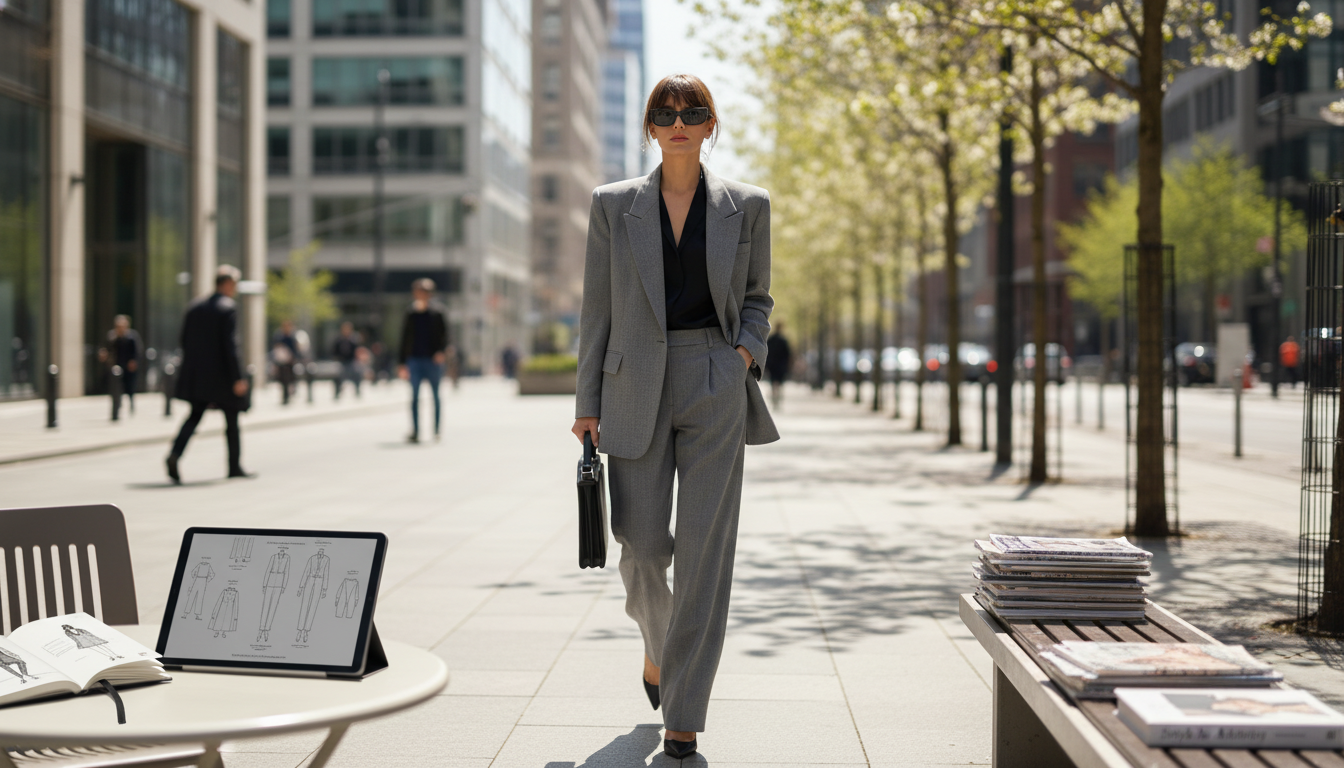
Power dressing is less about expensive labels and more about building repeatable outfit formulas that signal capability, credibility, and calm authority. This playbook-style bundle is designed to turn “What should I wear?” into quick decisions—using fit, color, proportion, and context-appropriate details that support confidence at work, events, and on-camera.
If you want a structured, step-by-step approach, the Power Dressing Playbook Bundle: Confidence, Style, and Power Dressing Tips is built to help you create a look that feels aligned with your goals—without overthinking every outfit.
Power dressing works best when it’s treated as an operating system, not a costume. The goal is to support how you show up—so your clothes reinforce your message instead of competing with it.
This bundle is designed for real life: meetings, presentations, travel days, networking nights, and video calls where you want to look steady and intentional.
For a fast, practical toolkit you can return to repeatedly, start with the Power Dressing Playbook Bundle and build your own “default wins” for the days that matter.
When outfits feel “off,” it’s usually because one of these three elements got skipped. A strong power look is simple: it matches who you are, what you need to communicate, and where you’re going.
Define three style adjectives to guide purchases and styling. Examples: sharp, modern, approachable. These words become your filter so you stop collecting random items that don’t work together.
Choose what the outfit should communicate today: decisive, collaborative, creative, or commanding. This is why one blazer can feel “right” one day and “too much” another—it depends on your objective.
Match the room’s expectations (office norms, industry culture, time of day, formality level) while staying one notch more intentional than average. The idea echoes guidance often shared in workplace style discussions: dress for your day, not for a generic ideal (see Harvard Business Review).
Repeat “signature” elements—like a blazer cut, a color palette, or a shoe style—to build recognizability. Consistency is what turns outfits into a personal brand without trying too hard.
A powerful wardrobe doesn’t have to be big. It has to be reliable. Start with pieces that hold their shape, pair easily, and look intentional in motion (walking, sitting, presenting).
| Category | Best bets | Why it works |
|---|---|---|
| Jacket layer | Blazer, cropped jacket, longline vest | Creates structure and a clear silhouette |
| Base tops | Knit shell, crisp shirt, elevated tee | Keeps outfits versatile and professional |
| Bottoms | Tailored trousers, straight skirt, dark denim (if acceptable) | Clean lines communicate polish |
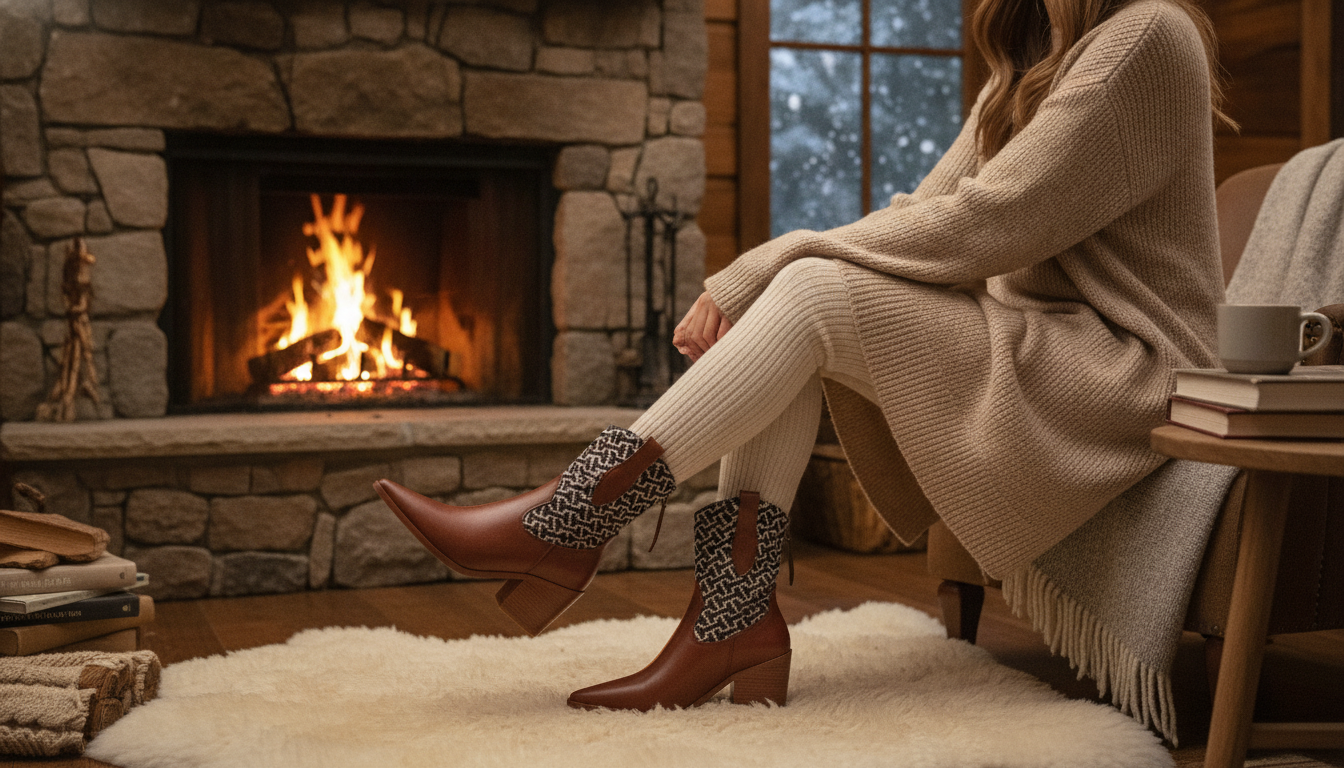
| Shoes | Loafer, sleek heel, refined ankle boot | Finishes the look and adds authority |
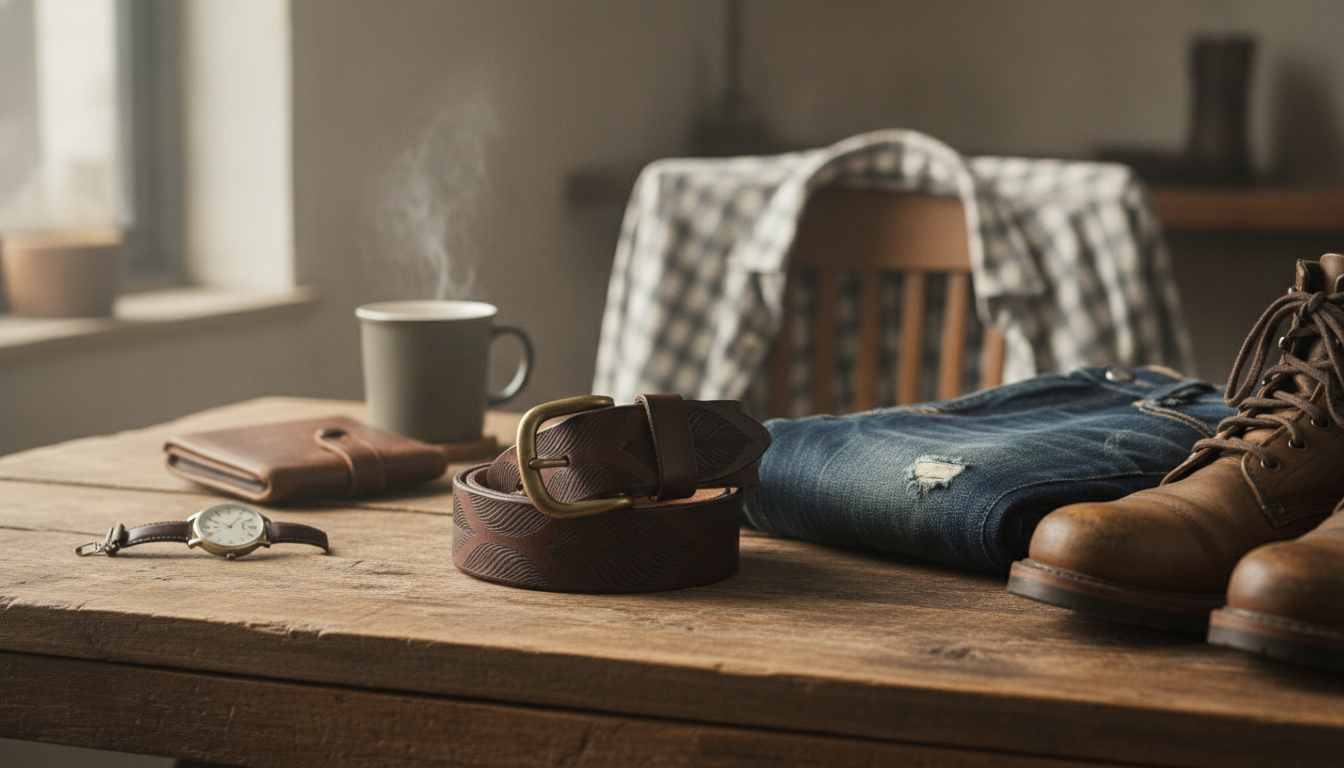
| Accessories | Belt, minimal jewelry, watch, structured bag | Signals intention without distraction |
| Outerwear | Coat with shape, trench, structured cardigan-coat | Maintains presence outdoors and in transit |
When you have “formulas,” you stop relying on inspiration. You rely on proven structure—and then adjust the details to fit the moment.
For a useful way to think about “perception power” beyond clothing (and how brands communicate identity), pair your style framework with Converse vs Adidas Brand Perception Power: The Ultimate Brand Comparison Checklist—a quick reference for noticing what signals read strongest and why.
No—power dressing adapts to any industry by adjusting structure, formality, and details while keeping the core principles the same: fit, intention, and context. A creative studio might mean a sharp jacket with modern sneakers; a corporate office might call for tailoring and refined shoes.
Choose fabrics with recovery (ponte, quality knits, wool blends with stretch), rely on comfortable “anchors” like loafers or breathable tops, and tailor for movement rather than tightness. Powerful looks come from clean lines and structure—not from restriction.
Tailor your most-worn blazer or trousers, add a structured jacket layer, upgrade to polished shoes, simplify accessories to one hero item, and keep a cohesive color palette that mixes easily. These changes create instant clarity and consistency.

Leave a comment