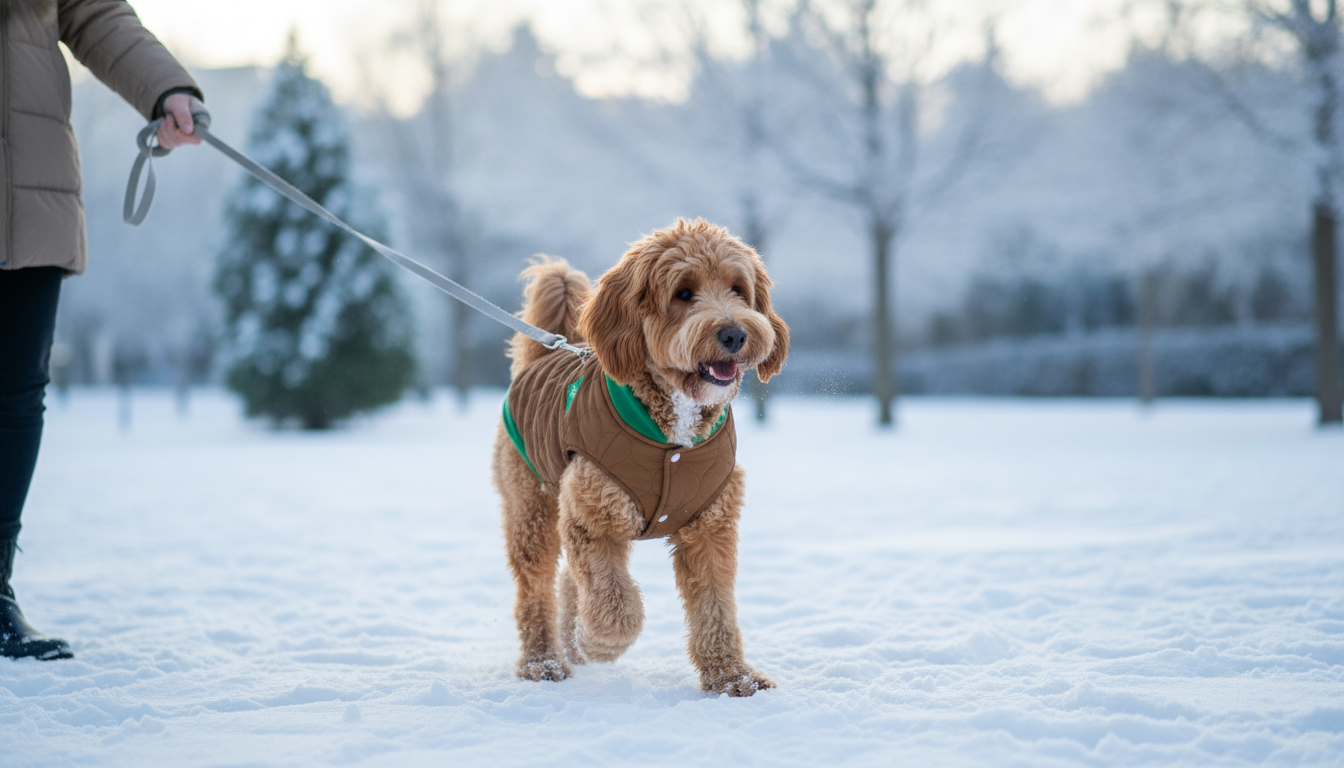
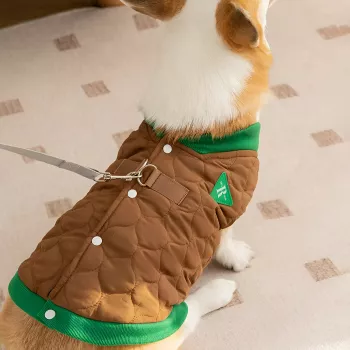
Cold-weather walks are easier when a dog’s core stays warm without restricting movement. The Warm Cotton Dog Coat – Cozy Winter Pet Jacket is designed for everyday winter outings, quick potty breaks, and drafty indoor spaces, with a cozy feel that’s practical to put on and comfortable to wear.
A winter coat should do more than “look warm.” It needs to protect key heat-loss zones, stay put while your dog moves naturally, and feel comfortable enough that your dog doesn’t fight wearing it.
For general cold-weather safety basics—like limiting exposure in extreme temps and watching for signs of discomfort—these guidelines are helpful: AVMA cold weather animal safety and AKC winter safety tips.
Most winter time outside isn’t a long hike—it’s quick routines: leashing up, crossing a windy parking lot, or doing a short loop when the sun drops. A warm cotton coat adds an easy layer that supports comfort without turning dressing your dog into a production.
If your dog is exposed to wet, icy, or windy conditions, it’s also worth reviewing broader cold-weather precautions like paw care and outdoor time limits from the ASPCA cold weather tips.
Fit is what makes a coat “warm” in real life—gaps let cold air in, while tight spots restrict breathing and movement. Grab a soft measuring tape and measure your dog while standing.
| Dog size (example) | Neck | Chest (girth) | Back length | Fit notes |
|---|---|---|---|---|
| Toy | 8–10 in | 12–15 in | 8–10 in | Choose lighter layering; avoid overly long back panels |
| Small | 10–12 in | 15–19 in | 10–14 in | Ensure shoulder room; check chest closure comfort |
| Medium | 12–16 in | 19–26 in | 14–18 in | Confirm belly coverage doesn’t interfere with potty breaks |
| Large | 16–20 in | 26–34 in | 18–24 in | Look for stable fit that won’t twist during play |
A coat that “fits” on paper can still rub or shift if it’s fastened too tightly in one area or too loosely in another. A calm, consistent routine helps your dog accept it quickly.
A good final check: look from above. The coat should sit centered along the spine (not drifting left or right), and the chest area should lie flat without pulling into the armpits.
Keeping the coat clean and dry helps it stay comfortable and keeps the inside feeling pleasant against your dog’s fur.
Measure the neck, the chest girth at the widest point just behind the front legs, and the back length from the base of the neck to the base of the tail. If your dog falls between sizes, choose by chest measurement first and confirm you can fit two fingers under the coat at the chest.
Belly and chest coverage can help retain core warmth, especially in wind and low temperatures. The coat should still allow normal leg movement and must not interfere with potty breaks, so check for rubbing under the armpits and along the chest area.
Yes—dogs can overheat, especially during indoor wear or active play. If you notice heavy panting, restlessness, or your dog seeking cooler surfaces, remove the coat and reassess the temperature, activity level, and fit.



Leave a comment