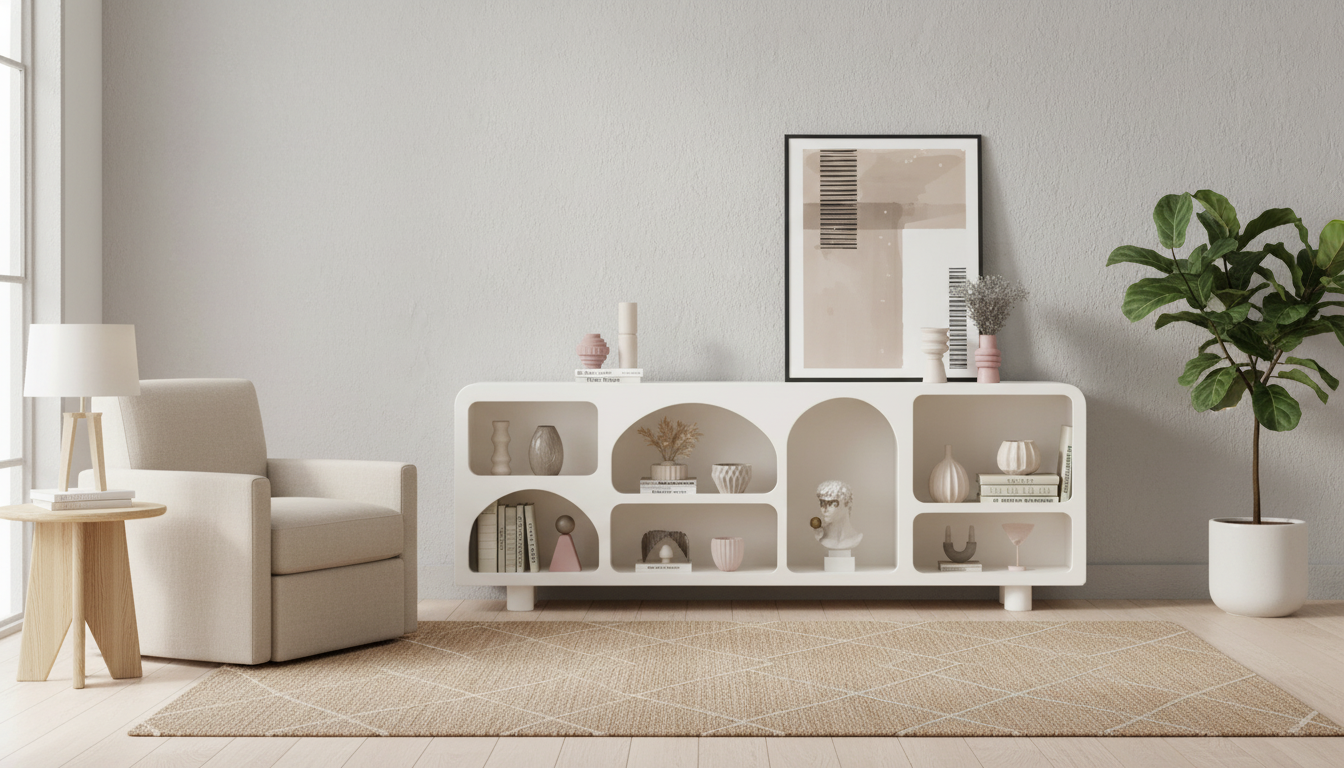
A modern minimalist bookshelf can do more than hold books—it can define zones in an open-plan home, keep daily essentials within reach, and display decor without visual clutter. With clean lines and flexible shelving, this style of storage works across living rooms, home offices, bedrooms, and entryways while maintaining a calm, refined look.
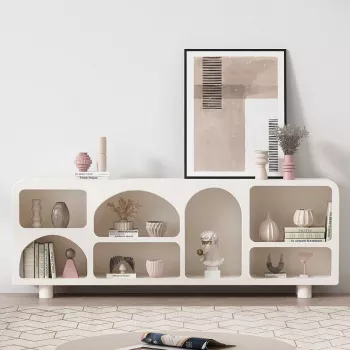
If you’re looking for a streamlined piece that feels intentional instead of “just extra storage,” start with a silhouette that’s simple, well-proportioned, and easy to style over time. A strong option to consider is the Modern Minimalist Bookshelf: Elegant Multi-Use Storage for Living Room and More, designed to blend into modern interiors while still making your everyday routines easier.
Minimalism can read as warm and elevated when the structure feels architectural rather than empty. The most elegant minimalist shelves share a few consistent traits.
For a quick design gut-check, minimalist rooms often succeed when the large shapes are simple and the styling is edited. Architectural Digest’s overview of minimalist design highlights that restraint is what allows quality materials and forms to stand out.
A bookshelf earns its keep when it supports daily habits, not just display moments. Use it as a flexible “home base” for the items that otherwise clutter tables, countertops, and floors.
To refine the look without losing function, add one sculptural accent that repeats your room’s material palette—like the Modern Euro Ceramic Candle Holder—and keep the rest of the shelf practical (books, baskets, and a few framed pieces).
Placement matters as much as style. A minimalist bookshelf should support flow, not interrupt it—especially in open layouts.
| Space | Best placement | What to store | Styling cue |
|---|---|---|---|
| Living room | Near seating or as a divider | Books, baskets, decor | Repeat 2–3 colors for a calm look |
| Home office | Behind desk or on side wall | Files, references, tech | Group items by function per shelf |
| Bedroom | Opposite bed or beside wardrobe | Folded items, boxes, display | Leave negative space for a lighter feel |
| Entryway | Near the door, away from swing path | Shoes, bags, tray for keys | Add one catch-all bowl on a mid shelf |
Minimal shelves look best when they’re edited—but still lived-in. A few repeatable rules can help the space feel intentional instead of unfinished.
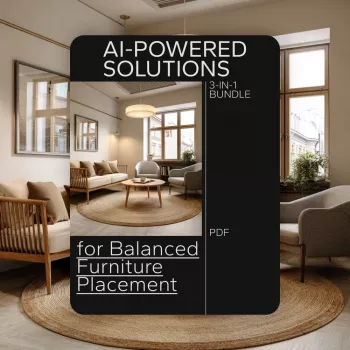
For layout help—especially when you’re balancing a shelf with seating, rugs, and desk placement—the AI-Powered Solutions for Balanced Furniture Placement | 3-in-1 Bundle of Guides, eBooks, and Checklists can make it easier to map zones and spacing before you commit.
For anchoring guidance and tip-over prevention best practices, review the CPSC’s Anchor It! recommendations.
When you’re ready to commit to a streamlined look that still does real work, explore the Modern Minimalist Bookshelf: Elegant Multi-Use Storage for Living Room and More as a clean-lined foundation for books, baskets, and display.
Anchoring is strongly recommended for tall shelving to improve stability and reduce tip-over risk, especially in homes with kids or pets. Follow the included instructions and use anchors that match your wall type.
Use matching baskets or lidded boxes for small items, group shelf areas by function, and limit your color/material palette. Keeping intentional negative space helps the shelf look calm even when it’s doing heavy storage duty.
Put heavier items low for better stability and lighter decor higher up. Keep frequently used items at comfortable reach, and avoid concentrating too much weight on a single shelf.


Leave a comment